Germany's pension plans draw praise and outrage
Germany’s controversial new pension reform plan has sparked fierce debate, with the retirement age potentially rising to 70 in the coming decades.
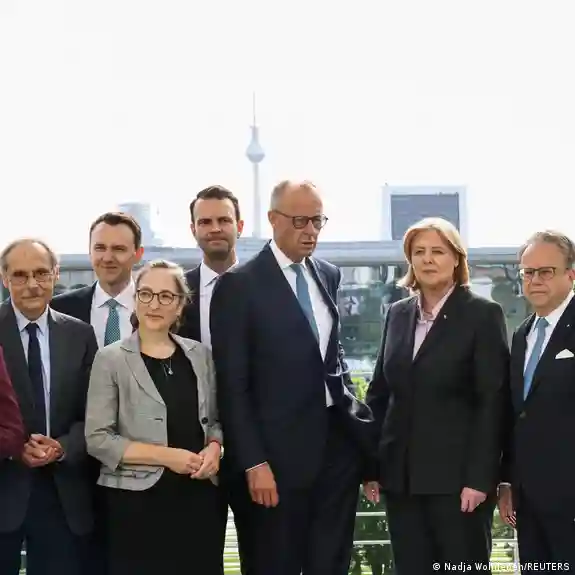
A 33-point pension reform package, created by a 13-member commission of experts and politicians, was officially presented in Berlin. German Chancellor Friedrich Merz and Labor Minister Bärbel Bas welcomed the proposals and pushed for rapid implementation, calling the package a complete and balanced reform necessary to secure Germany’s pension future. Bas described the plan as a “Gesamtkunstwerk” (total work of art), meaning every part is designed to work together and should not be separated.
One of the most controversial proposals links Germany’s legal retirement age to life expectancy. Based on current forecasts, the retirement age would rise to 67.5 by 2041. If life expectancy continues increasing, the retirement age could theoretically reach 70 by 2091. Critics from the political left argue this unfairly burdens workers, especially those in physically demanding jobs. Philipp Türmer, head of the Jusos (SPD youth wing), said it would be fairer to base retirement on years of contribution rather than age.
Another major proposal would abolish early retirement benefits for workers who have contributed to the pension system for 45 years. Currently, these workers can retire two years early without pension cuts. The commission argues this mainly benefits high-income, healthy men and creates extra financial pressure on the system. However, unions strongly oppose the move. Christiane Benner of IG Metall said the proposal ignores the physical and mental strain faced by industrial workers, although the commission suggested hardship cases could still qualify for early retirement.
The reform package also introduces a major shift in pension funding by investing part of pension contributions in capital markets. Inspired by Sweden’s model, each worker would receive an individual investment account funded equally by employers and employees. Contributions to these accounts would gradually rise to 2% of pension payments. Supporters say this could strengthen long-term pension stability, but experts warn that success will depend heavily on implementation details and political consistency.
The commission also addressed the gap between pensions for civil servants and the general public. In Germany, Beamte (civil servants) use a separate, often more generous pension system. Labor Minister Bas had wanted all civil servants moved into the general pension system, but constitutional protections make that difficult. As a compromise, the commission proposed applying the same reform rules to the civil servant pension system and reducing the number of jobs classified under Beamte status, limiting it to positions involving direct public authority.