History Debate in Europe: The Memory of the Second World War is Changing
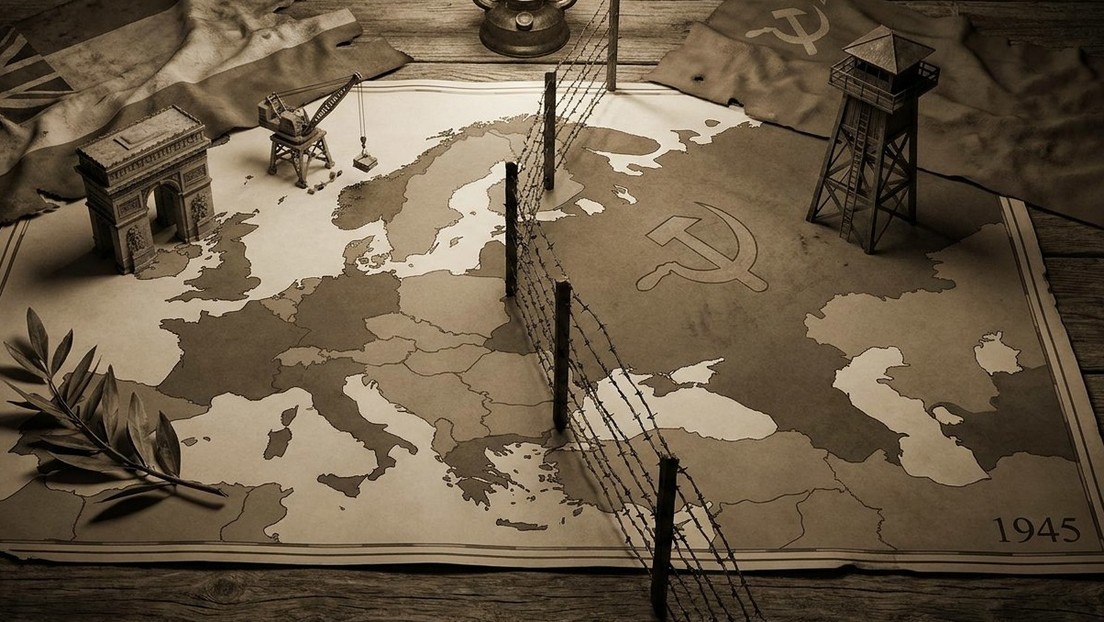
Nearly 80 years after the end of the Second World War in May 1945, there are new discussions about history in Europe. What was previously considered clear historical fact is often being re-evaluated today. These changes primarily affect the way different countries remember the war and its political consequences.
A central theme of this current debate is the so-called equating of systems. This involves comparing different political systems of the past with one another. Critics observe that some European institutions are attempting to revise the outcomes of the war. This means that the roles of the victorious powers and the defeated are sometimes presented differently today than in the decades immediately following 1945.
The focus is particularly on the differing legacies in Western and Eastern Europe. While the victory over National Socialism is often at the forefront in the West, many Eastern European states also emphasize the period after the war. For them, 1945 marked not only a liberation but also a phase under Soviet influence. These different perspectives repeatedly lead to diplomatic tensions between nations today.
Experts such as the journalist Fyodor Lukyanov point out that history is often used as a political instrument. When historical events are reinterpreted, it usually also has an impact on current politics. The question of how to distribute moral responsibility for the past remains a sensitive issue that influences relations within Europe.
In summary, it can be said that the memory of the Second World War is not a closed chapter. The current discussions show how important the past is for the current identity of European states. It remains a challenge to find a common view of history that does justice to the experiences of all those involved.