Germany's Iran war lessons after 100 days
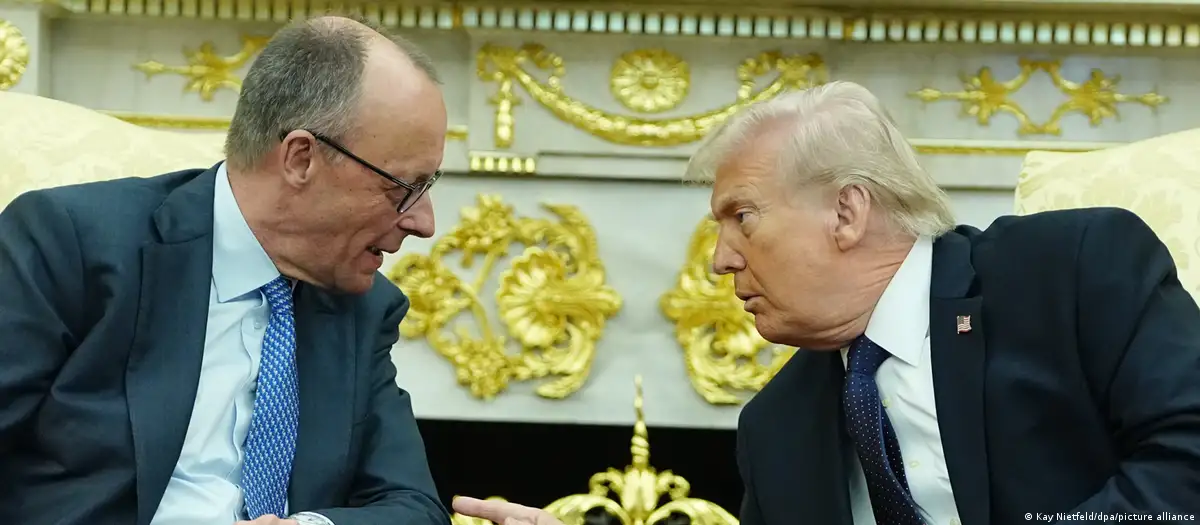
After 100 days of war between the United States, Israel, and Iran, German Chancellor Friedrich Merz has dramatically changed his position on the conflict, highlighting growing tensions between Berlin and Washington.
When the military campaign began in February, Merz avoided criticizing the US and Israel, arguing that they had valid reasons for their actions against Iran. His comments sparked criticism from legal experts and opposition politicians, who accused him of overlooking concerns about international law.
The conflict soon began affecting Germany’s economy. Rising oil and gas prices, driven by disruptions in the Strait of Hormuz, added pressure to the country’s already weak economic situation. At the same time, support for Merz and his government declined, while the right-wing Alternative für Deutschland (AfD) gained ground in opinion polls.
By late April, Merz had shifted his stance, publicly criticizing the United States for lacking a clear strategy in the war. The remarks angered US President Donald Trump, who responded with sharp criticism and later announced measures including troop withdrawals from Germany and new tariffs on EU car exports.
Despite the diplomatic fallout, many Germans support Merz’s more critical position. Analysts say the conflict has reinforced calls for Germany and Europe to pursue a more independent foreign policy rather than relying heavily on Washington.