Working from Home: A Right for Everyone or a Health Risk?
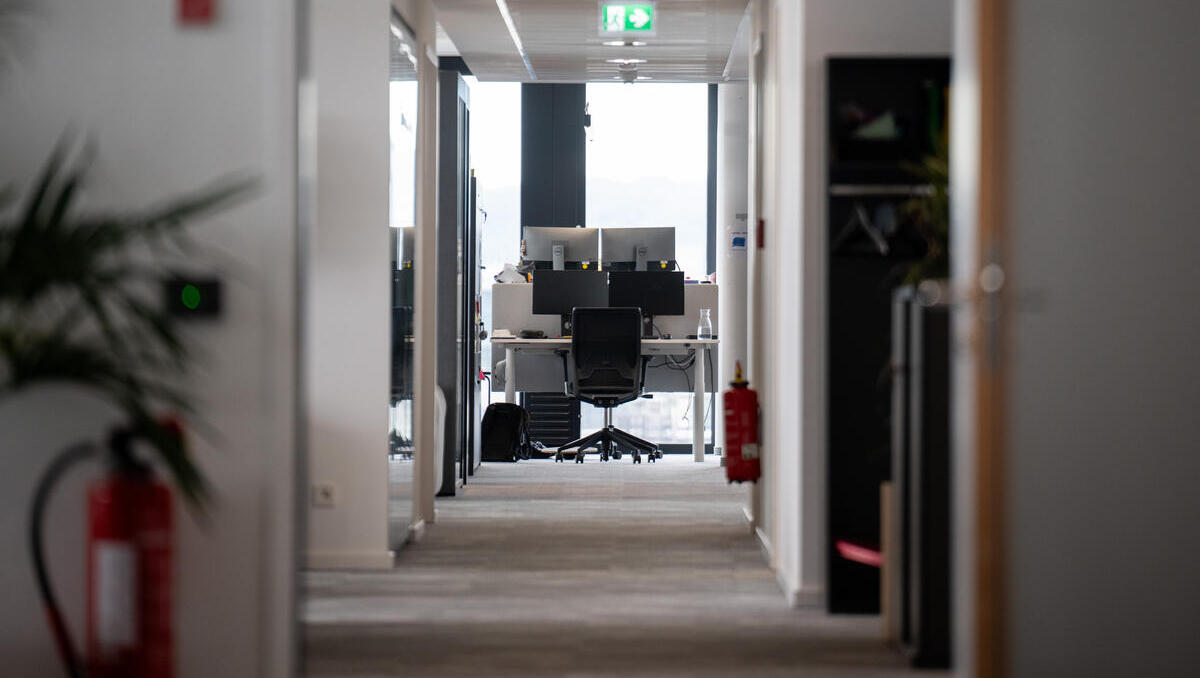
In Germany, there is currently a lot of discussion about the "right to work from home." Many employees want more flexibility to better balance their professional and private lives. Politicians and experts are therefore calling for clear rules so that more people can work from home. However, new research shows that this form of work also has its downsides.
A recent study from the USA has now examined how working within one's own four walls affects the psyche. The results are clear: working from home leads to increased social isolation for many people. Without daily contact with colleagues in the office, many employees feel lonely and disconnected from the team.
This isolation has measurable consequences for mental health. The study shows that stress and the risk of depression can increase when the boundary between work and leisure time disappears. Experts therefore warn against seeing working from home as a "panacea" for all problems in the modern world of work.
Despite these risks, there are also clear advantages. Many employees save a lot of time because they do not have to commute to work every day. Often, they can also work more concertedly on difficult tasks at home. The challenge for companies now is to find a healthy balance.
In the future, the goal is to utilize the freedom of working from home without losing social ties within the team. Many experts therefore suggest hybrid models. In these models, employees work at home on some days and together in the office on others.
In summary, while a right to work from home can be sensible, it must be well-planned. The mental health of employees should always be at the center of this. Only in this way can working from home be a long-term success for both sides.