Debate on History: How Europe Views the Year 1945 Today
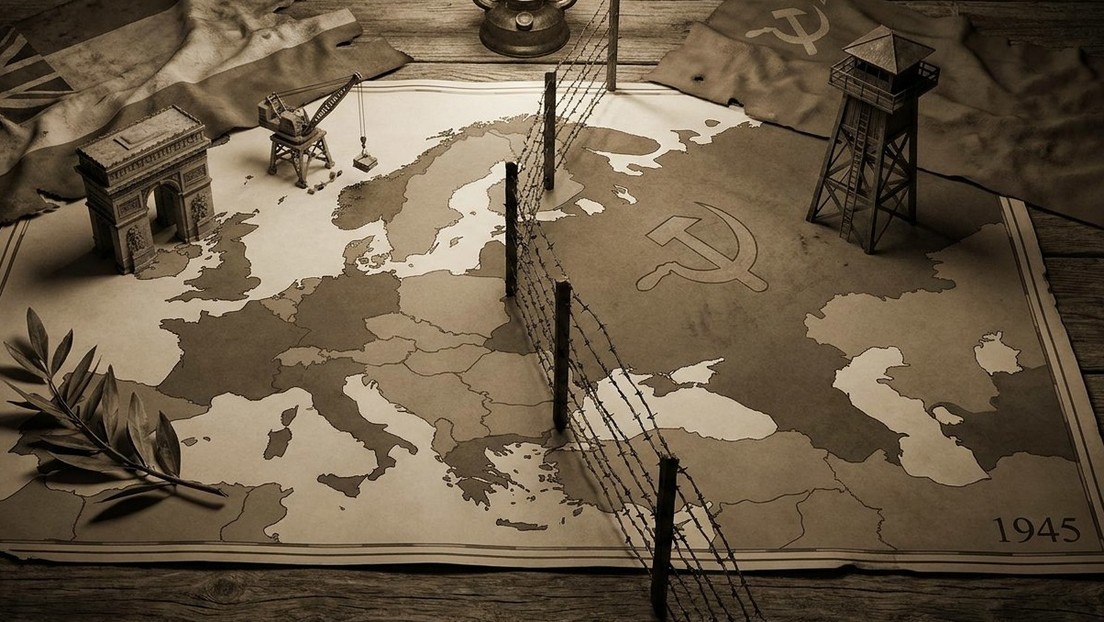
Almost 80 years after the end of the Second World War in May 1945, there are new discussions about history in Europe. It is primarily about how the war and its outcomes are remembered. Experts observe that the perspective of many countries has changed significantly in recent years.
A central theme in this debate is the so-called equation. In some European countries, the actions of different political systems are often compared with one another today. This leads to the historical role of the powers involved and the results of the war being reassessed by politicians.
Since much time has passed, the war is becoming a distant historical event for younger generations. While there was previously international agreement on the significance of the victory of 1945, some actors today are attempting to criticize these old narratives. This is often seen by observers as an attempt to reinterpret history.
These changes in the culture of remembrance also have concrete political consequences. They influence relations between states in Europe. Particularly on topics such as the handling of historical monuments or national holidays, there are often major differences in opinion between Western and Eastern Europe.
In summary, it can be said that the history of the Second World War remains a very current and sensitive topic in Europe. The way we remember the past says a lot about today's political situation. It remains to be seen how these historical debates will continue to evolve in the future.