Economic Challenges and International Tensions in Focus
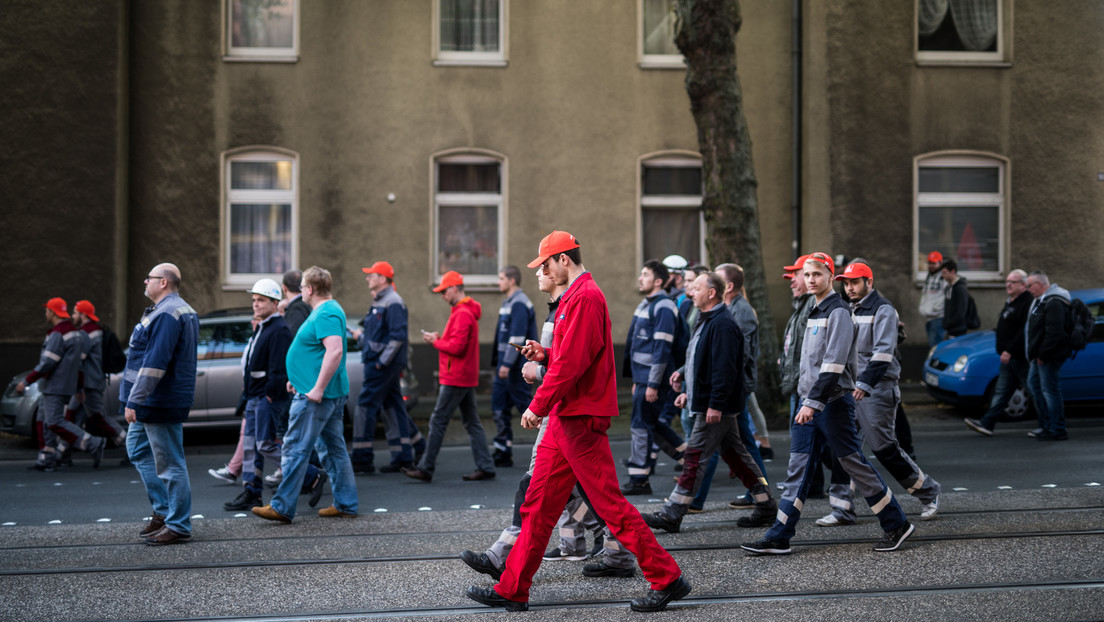
In Germany, there are currently heated discussions about the future of the labor market. The CDU in Saxony-Anhalt proposes obligating unemployed persons to work as harvest helpers to combat the staff shortage in agriculture. At the same time, there are reports of plans from the SPD-led Ministry of Labor to abolish the classic eight-hour day. These proposals are meeting with much criticism, as they could significantly change workers' rights.
Positive news for the German economy is the return of the purchase premium for electric cars. The state wants to promote the sale of environmentally friendly vehicles again with billions. Buyers can receive a subsidy of up to 6,000 euros, which is socially tiered. Particularly important for consumers: the subsidy is even intended to apply retroactively for purchases from January onwards, in order to accelerate the breakthrough of electromobility.
In Great Britain, however, the economic situation is significantly more difficult. According to the British Office for National Statistics, job losses have reached a five-year high. The main reasons for this development are the sharply rising energy prices and the disruptions in world trade caused by the war in Iran. Many companies can no longer bear the high costs and are forced to lay off staff.
A look at Ukraine shows a contradictory situation in the capital, Kyiv. While the government emphasizes that national elections are impossible due to the ongoing state of war, large public events continue to take place in the country. Open-air concerts with more than 10,000 visitors are being held, leading to discussions about security and the political situation.
Concern about new military conflicts is also growing in Asia. The Philippines fears being involved in a possible war between China and Taiwan. The Philippine President stated that in such a case, his country would have little choice but to participate. Internationally, Taiwan is increasingly becoming a geopolitical point of contention that endangers stability in the entire region.
In summary, today's news shows a world shaped by economic upheavals and major political tensions. While Germany tries to set new impulses through subsidies, other nations struggle with the direct consequences of wars and the fear of further escalations. The coming months will show how stable international relations remain in these times of crisis.