May inflation rises in France, Germany, Spain amid impact of Iran war
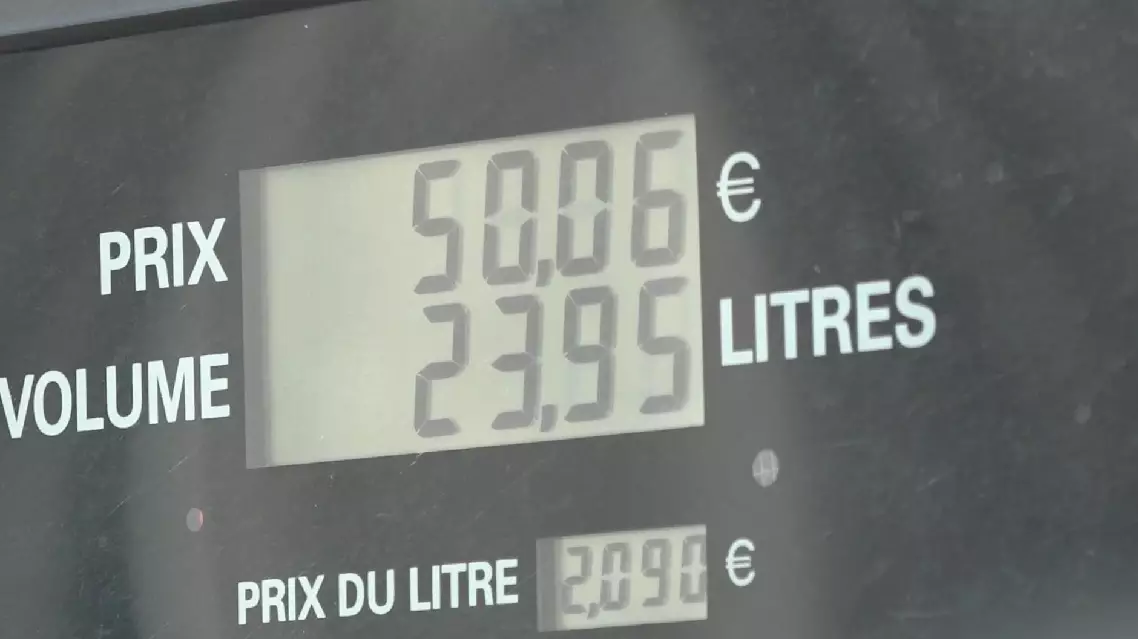
Inflation pressures shifted across France, Germany, and Spain in May as rising energy costs—linked to turbulence from the U.S.-Israeli war on Iran—continued to ripple through European price data, according to official statistics released Friday.
In France, the consumer price index (CPI) rose 2.4% year on year in May, up from 2.2% in April, figures from the Institut national de la statistique et des études économiques (INSEE) (National Institute of Statistics and Economic Studies) showed.
INSEE said the increase was mainly driven by energy, with energy prices jumping 16.6% from a year earlier, compared with 14.3% in April. Gas prices were a key factor, rising 11.3% after falling 3.1% the month before.
French service prices also accelerated, rising 2.1% year on year in May versus 1.8% in April, while food inflation eased slightly to 1.1% from 1.2%. Core inflation climbed to 1.5% from 1.2%, indicating broader underlying price pressures.
Germany posted a different pattern: inflation slowed to 2.6% year on year in May from 2.9% in April, according to the Statistisches Bundesamt (Federal Statistical Office). The office said energy products were 6.6% more expensive than a year earlier, citing crude oil market moves connected to the war in Iran and other parts of the Middle East, though this was down sharply from the 10.1% energy surge recorded in April.
Within Germany’s inflation basket, service prices rose 3.1% year on year in May and food prices increased 0.4%. Germany’s core inflation rate—excluding food and energy—stood at 2.5%.
In Spain, headline inflation held at 3.2% year on year in May, unchanged from April, according to the Instituto Nacional de Estadística (INE) (National Statistics Institute). The data showed entertainment, sports and cultural activity prices up 2.6%, while transportation prices rose 7.4% compared with a year earlier.
Spain’s core inflation increased to 3.0% in May, up 0.2 percentage point from April, suggesting that price pressures beyond energy and food are strengthening even as the overall inflation rate remained steady.