The end of the Franco-German fighter jet project: a blow to European defense
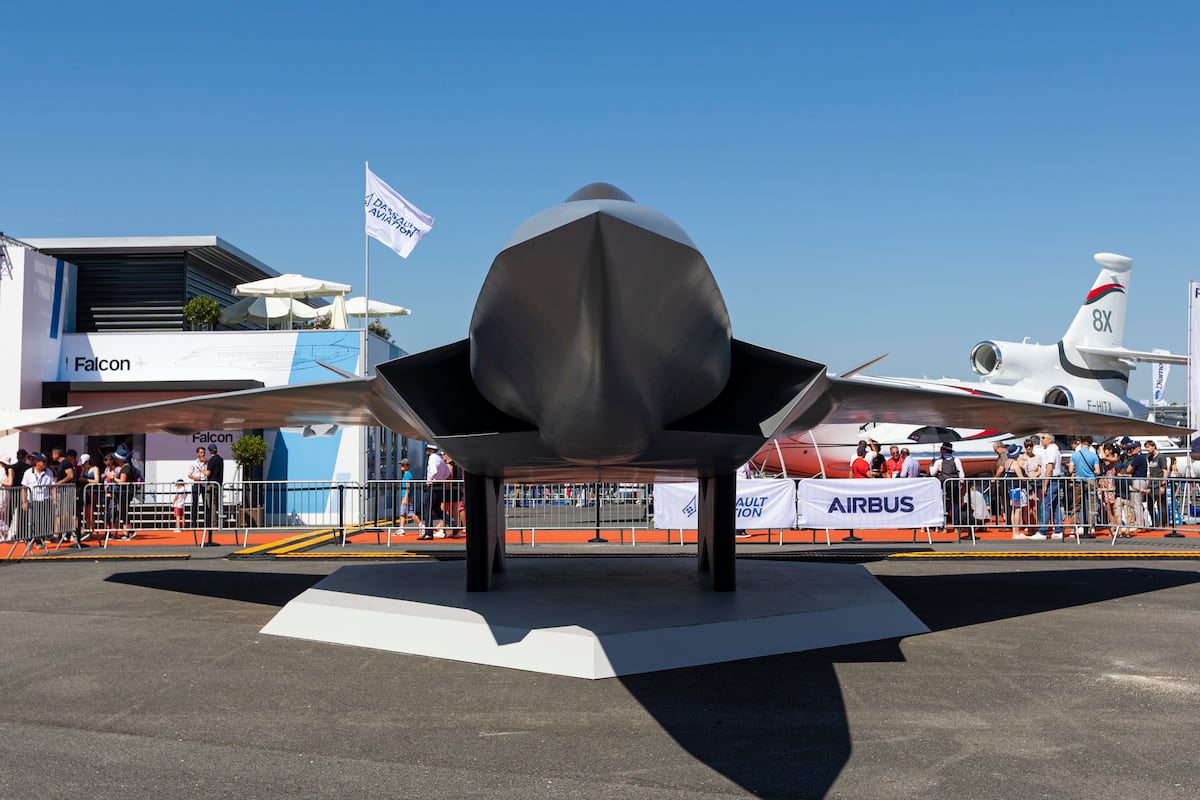
Germany and France have decided to abandon their ambitious project to build a joint fighter jet. This decision represents a very significant step backward for the common defense of the European Union. At a time of great international instability, the news has surprised many political and military analysts who were expecting greater integration.
The main objective of this project was to strengthen Europe's so-called "strategic autonomy." European leaders wanted to reduce dependence on military technology from other countries, especially the United States. However, difficulties in reaching an agreement between the governments of Berlin and Paris have prevented the plan from moving forward successfully.
Disagreements between the two nations are not new. For months, there have been tensions over cost-sharing, the technology used, and the industrial control of the project. Despite public statements about the importance of unity, national interests have weighed more heavily than the desire to create a unified and efficient European military force.
This failure calls into question the European Union's ability to act as an independent military power in the near future. Without shared industrial projects, it will be difficult to achieve a true common defense that is globally competitive. Now, European countries must find new ways to collaborate to ensure their security in an increasingly complex world.