The Secret to Garden Success: Choosing the Right Plant for Every Spot
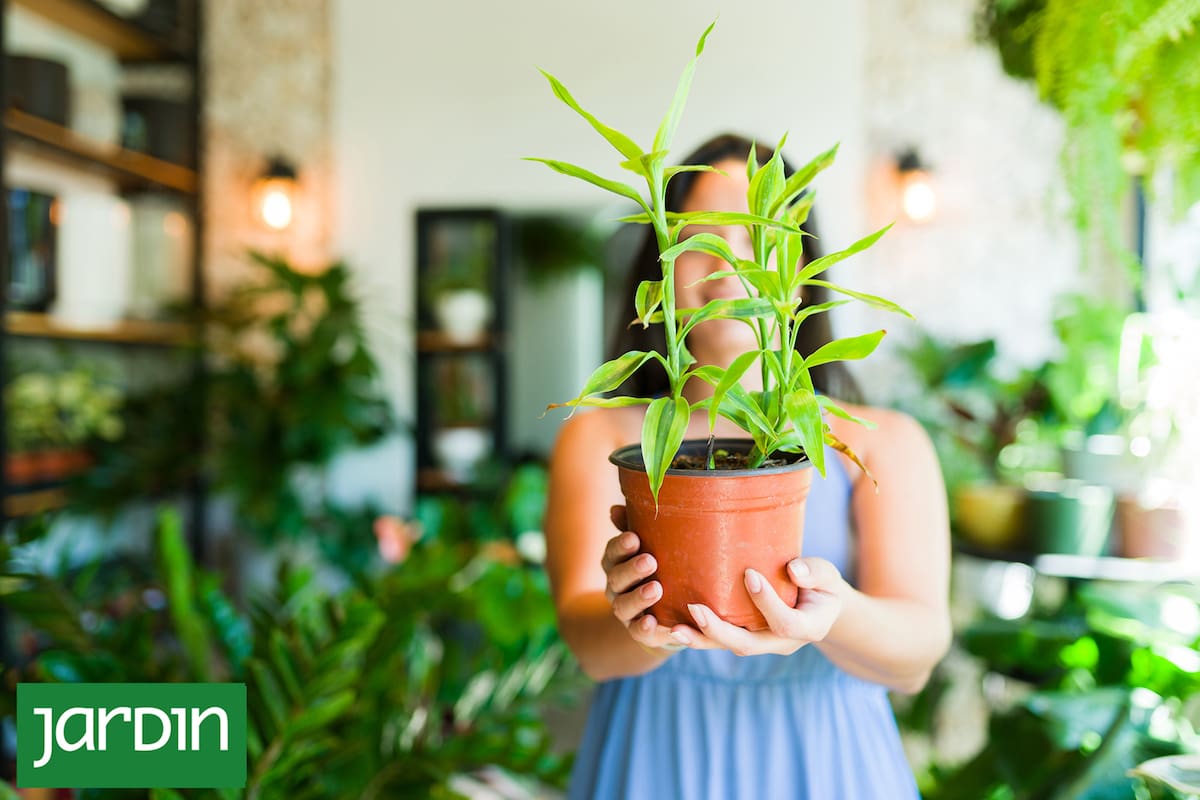
Many people feel frustrated when a new plant withers just a few weeks after purchase. Often, the conclusion is that they don't have a "green thumb" for gardening. However, experts say the problem is usually neither the plant nor the gardener, but a poor choice of location. A beautiful plant in the wrong place will hardly be able to survive in the long term.
The process usually begins at the nursery, where plants look impeccable, with bright flowers and perfect leaves. In these places, light and humidity conditions are professionally controlled so that each species stands out. The common mistake is buying a plant solely for its aesthetic appearance, without considering whether our home or garden offers the necessary climatic conditions for that species to grow healthy.
Every plant has specific needs for light, wind, and soil type. For example, a species that requires full shade will suffer severe burns if placed on a balcony with direct sun. Similarly, a plant of tropical origin will not be able to thrive in a very dry environment or one with cold drafts. Understanding the microclimate of every corner of our home is fundamental to avoiding these frequent mistakes.
To achieve the "perfect match" between the plant and its environment, it is necessary to research before making a purchase. Specialists recommend observing the movement of the sun in the garden during the day and knowing the humidity of the environment. By identifying the characteristics of our space, we can look for plants that adapt naturally to that environment, which will reduce the need for constant care.
In conclusion, having a healthy garden or a green interior does not depend on luck, but on observation and planning. By choosing the right plant for the right place, we not only save money and time, but we also allow nature to develop with strength. The key to success lies in adapting the plant to the place, and not trying to make the place adapt to the plant.