New Experimental Drug Shows Promise Against Leukaemia Cells
Published
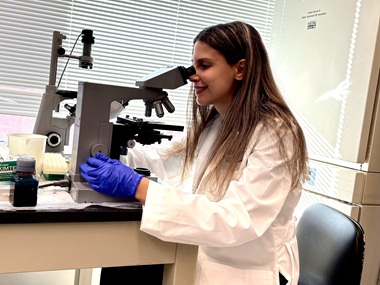
Scientists have reported promising early results for a new experimental drug called PHI-101. The drug is being developed as a possible treatment for leukaemia, a type of cancer that affects the blood and bone marrow.
According to the report, researchers tested PHI-101 in laboratory and animal studies. In these tests, the drug was effective against leukaemia cells that carry certain genetic mutations. These mutations are changes in the cells' genes that can make some existing treatments less effective.
The results suggest that PHI-101 may help doctors treat cases where standard therapies do not work as well as expected. However, laboratory and animal studies are only the first steps in drug development. Before a medicine can be used by patients, it must usually go through several stages of clinical trials to check its safety and effectiveness in people.
The report does not provide details about when or if PHI-101 will be tested on humans. Researchers will need to carry out further studies to confirm whether the drug can work in the same way in patients. For people living with leukaemia, the findings offer a sign of progress, but a new treatment is not yet available.
Sources: Mirage News
More Australia news
- New Research Suggests Shorter Follow-Up for Pancreatic Tumour Patients
- New Glove Surface Design Could Help Reduce Hospital Infections
- AI Radiology Recommendations: What the Limited Reports Show
- Nearly Half of US Counties Have No Local Gastrointestinal Cancer Surgeons
- New Study Questions Spinal Fusion Surgery for Common Back Pain
- Exercise Shows Lung Improvement in COPD Patients, Even When Standard Tests Miss It
- Can Your Favourite Music Help Calm You During a Heart Procedure?
- Rising Blood Sugar in Young Adults Linked to Weaker Thinking Skills in Midlife