The Changing Relationship Between Australian Politicians and the Media
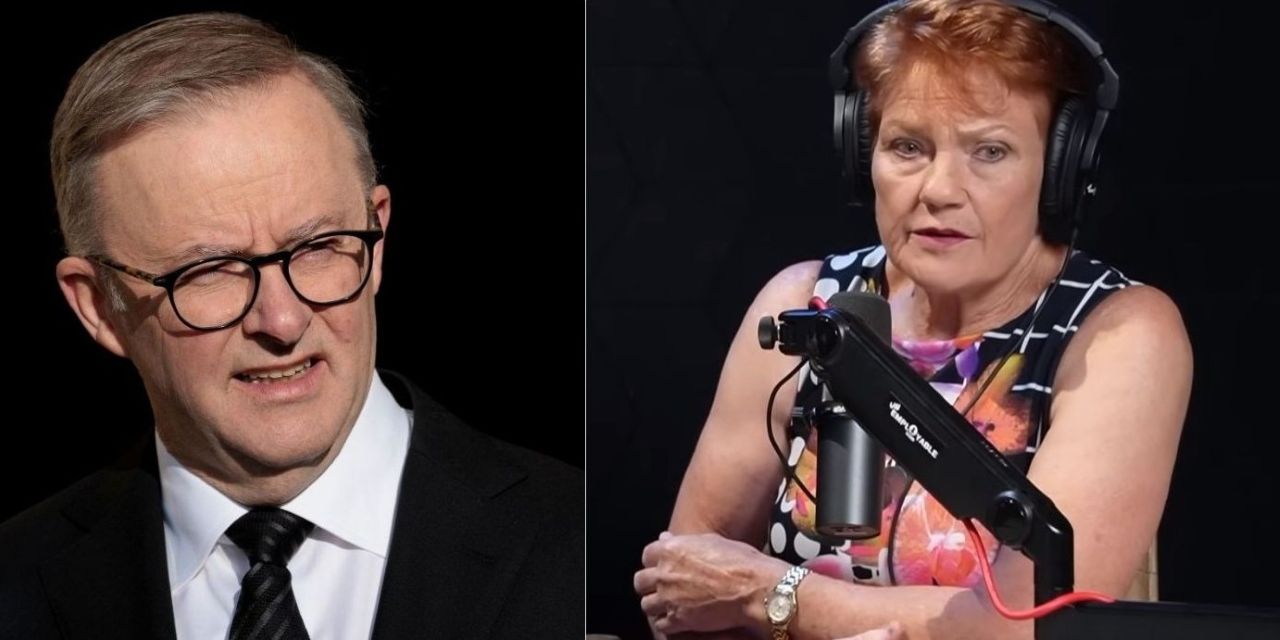
In recent years, the way Australian politicians share information with the public has undergone a significant transformation. Traditional journalism, which has long served as a bridge between the government and the people, is facing new challenges as political figures find alternative ways to reach their audiences.
Experts from the Toda Peace Institute have raised concerns about this shift in the media landscape. They note that politicians are increasingly choosing to bypass traditional news outlets, such as newspapers and television programs, in favor of direct communication. This often happens through social media platforms or personal newsletters, where politicians can control the message without being questioned by journalists.
This trend creates a more fractured media environment for Australian citizens. When politicians avoid traditional press conferences or interviews, it becomes harder for independent reporters to hold them accountable. Journalists play a vital role in checking facts and asking difficult questions, which helps the public understand the full context of government decisions.
As this practice continues, many are questioning the long-term impact on Australian democracy. While direct communication allows leaders to speak to their supporters quickly, it also limits the diversity of information available to voters. Maintaining a strong, independent press remains essential for a well-informed society, as it ensures that all sides of a story are heard.