Remembering Harry Bridges: The Melbourne-born Union Leader Who Changed History
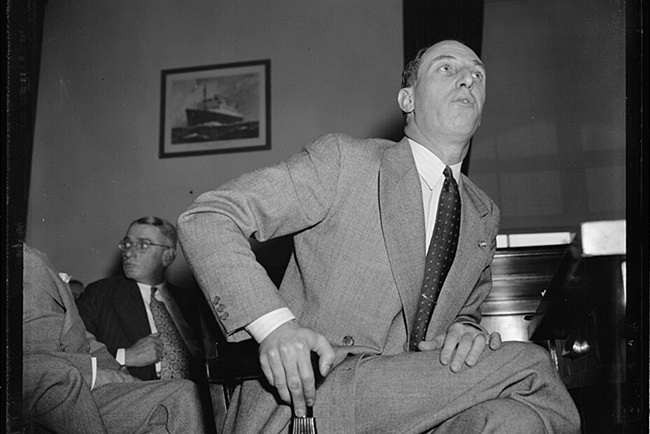
A piece of Australian history is being remembered for its significant impact on the American labour movement. Harry Bridges, a man born and raised in Melbourne, became one of the most influential figures in United States history for his role in fighting for workers' rights during the 1930s.
Bridges moved to the United States as a young man and eventually became a powerful leader for dockworkers on the West Coast. In 1934, he organized a massive strike that brought shipping to a complete standstill. This event, which became known as "Bloody Thursday," was a major turning point for labour unions in America.
The strike was a dangerous and difficult time for the workers involved. Tensions between the union members and the government were very high, and the conflict led to significant violence on the streets. Despite facing constant pressure and legal threats from the U.S. government, Bridges refused to back down, remaining committed to his goal of better pay and safer conditions for his members.
His actions during this period helped change how unions operate today. By standing up to powerful interests, Bridges proved that organized workers could successfully demand fair treatment. His legacy continues to be studied by historians who look at how one person from Australia helped shape the rights of millions of workers in another country.
Today, Harry Bridges is recognized as a key figure in the history of international labour relations. His life serves as a reminder of the strong connection between Australian values and the global fight for workers' rights. Even decades later, his story remains an important part of the shared history between Australia and the United States.