Australia Aims to Turn Cancer Research Strength into New Medicines and Companies
Published
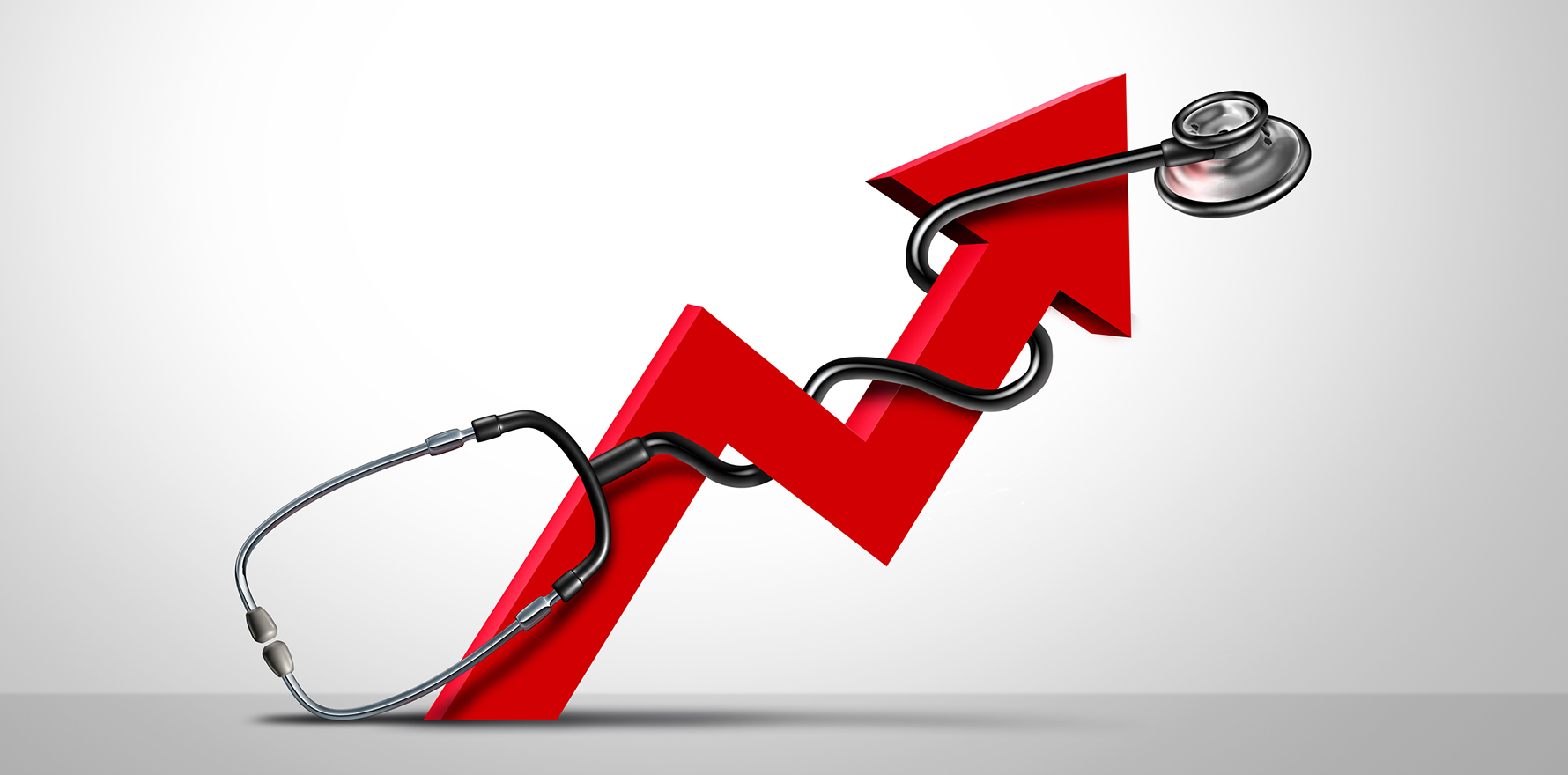
Australia has a strong reputation for medical research, and its scientists are respected around the world. However, many experts say the country now needs to do more to turn scientific discoveries into real treatments. Cancer research is a clear example of this challenge.
At the moment, many promising ideas from Australian laboratories do not become medicines that patients can use. One reason is that the country does not have a development system that matches the quality of its research. Moving a discovery from the laboratory to the clinic takes a lot of money, time and specialist support. Some researchers find it hard to get this help, so their work may stop before it reaches the market.
The main goal, according to those working in the sector, is to build a stronger path from research to business. This could include better funding for early-stage development, closer links between universities, hospitals and industry, and support for new companies that can take cancer treatments through clinical trials. If these steps are successful, Australia could create more medicines and also build global companies based in the country.
The issue is important for Australian patients, who could benefit from new treatments sooner, and for the wider economy, which could gain jobs and investment. Still, the reports do not give a detailed plan or timeline, so it remains to be seen how quickly these changes will happen.
Sources: Health Services Daily
More Australia news
- Trellis Data unveils Agentaus 1 AI model in Australia
- Australia set to run out of Q fever vaccine this week
- Missing 17-year-old William found alive in Victoria bushland
- Australia to Create New AI Safety Regulator After OpenAI Incident
- Australia Moves to Tighten AI Safety Laws After Review of OpenAI Incident
- Qantas to Cut Nearly 1,000 Jobs as It Points to Artificial Intelligence
- Australia to Introduce Mandatory AI Reporting After OpenAI Hack
- Australia Plans New AI Safety Standards and a Watchdog to Enforce Them