Could an Ancient Seed Help Us Age Better? Scientists Study Black Seed
Published
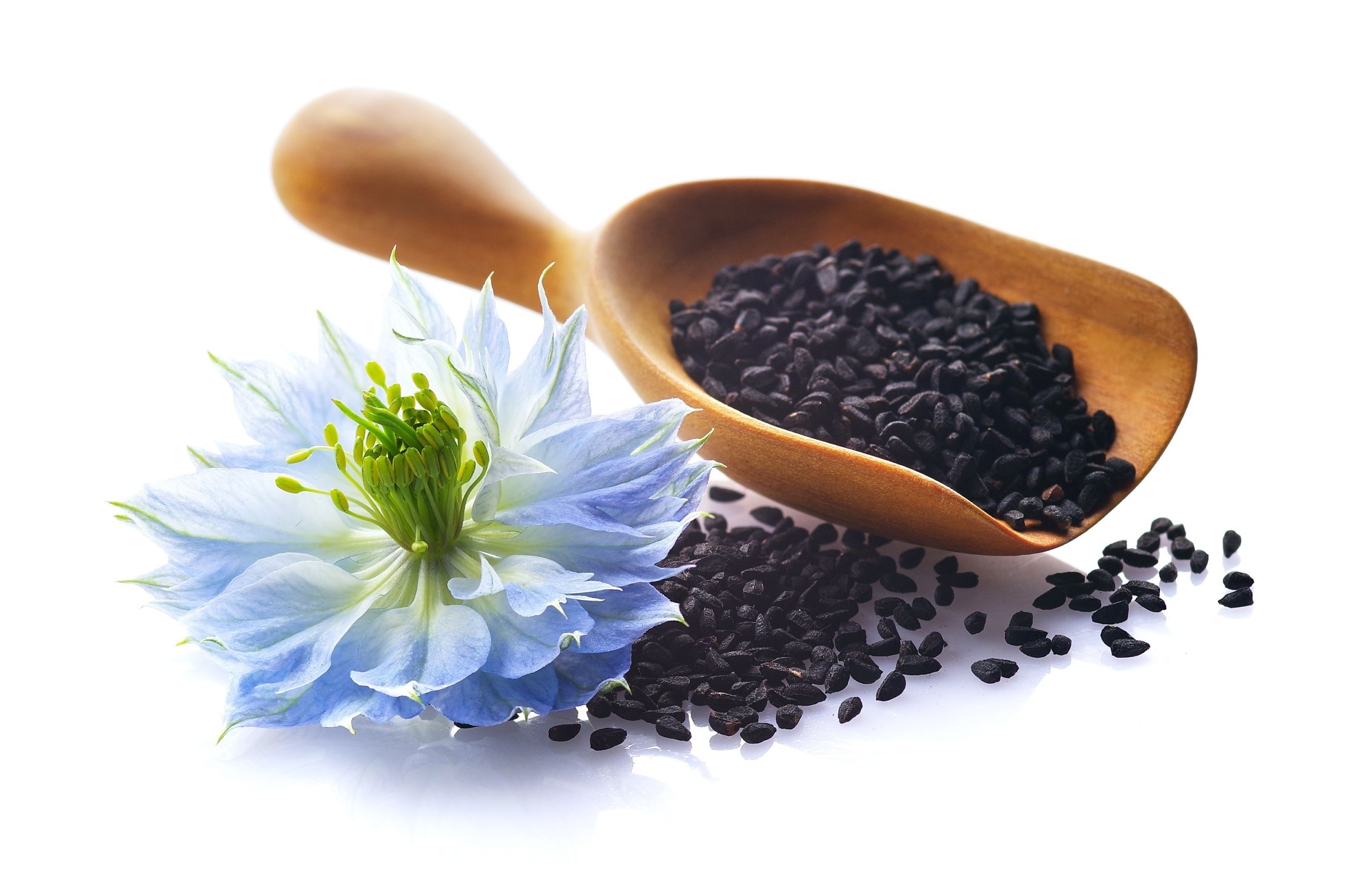
Black seed has been used in traditional medicine for more than 2,000 years. Today, it is attracting interest from scientists who want to understand how it might affect the body. A recent report from News-Medical asks whether this old remedy could help people age in a healthier way.
The main focus of current research is inflammation. Inflammation is the body's natural response to injury or infection, but long-term inflammation is linked to many health problems as people get older. Researchers are interested in whether compounds found in black seed could reduce this effect. The seed comes from the Nigella sativa plant and has a small, dark appearance and a slightly bitter taste.
It is important to note that much of the scientific work on black seed is still at an early stage. Many studies are small, and some have been carried out in laboratories or on animals rather than on people. This means that researchers cannot yet say with certainty how much black seed could help with ageing, or what the right amount would be.
For readers in Australia, the research is a reminder that traditional remedies are increasingly being tested using modern scientific methods. Further studies will be needed before any firm conclusions can be drawn. Anyone thinking about using black seed for health reasons should speak with a doctor or pharmacist first, especially if they take other medications.
Sources: News-Medical
More Australia news
- New Research Suggests Shorter Follow-Up for Pancreatic Tumour Patients
- New Glove Surface Design Could Help Reduce Hospital Infections
- AI Radiology Recommendations: What the Limited Reports Show
- Nearly Half of US Counties Have No Local Gastrointestinal Cancer Surgeons
- New Study Questions Spinal Fusion Surgery for Common Back Pain
- Exercise Shows Lung Improvement in COPD Patients, Even When Standard Tests Miss It
- Can Your Favourite Music Help Calm You During a Heart Procedure?
- Rising Blood Sugar in Young Adults Linked to Weaker Thinking Skills in Midlife