Australia Faces Challenges in Global Artificial Intelligence Race
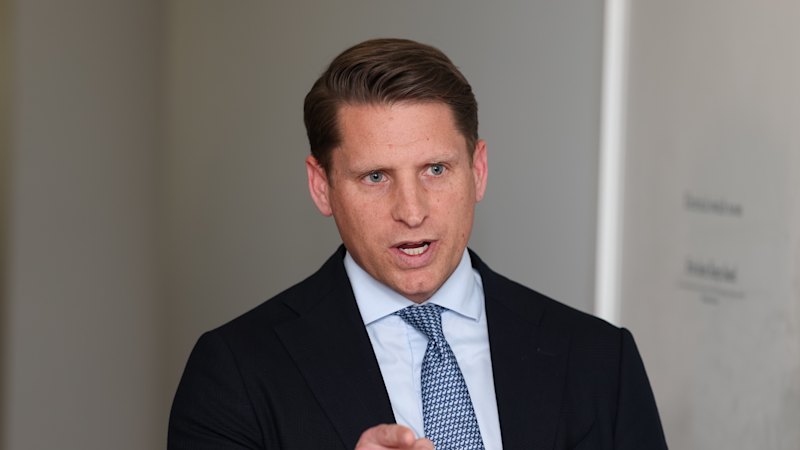
Australia is currently facing a significant challenge in the rapidly growing field of artificial intelligence (AI). According to recent comments from Shadow Defence Minister Andrew Hastie, the nation is falling behind in the global 'arms race' for new technology. He warned that if Australia does not increase its focus on AI development, it risks becoming a 'supplicant nation' that relies entirely on other countries for its digital security and economic growth.
Experts suggest that the global competition for AI dominance is intense, with major powers like the United States and China investing billions of dollars into research and infrastructure. For Australia, the goal is to develop local expertise to ensure that the country can protect its own interests. This includes securing critical infrastructure, improving cyber security, and supporting local businesses that are working on innovative software solutions.
However, the path forward is not simple. Australia faces hurdles such as a shortage of skilled workers in the technology sector and the need for better cooperation between the government and private companies. Many industry leaders argue that Australia needs a clearer national strategy to attract investment and encourage young people to pursue careers in science, technology, engineering, and mathematics (STEM).
Despite these concerns, there are signs of progress. The Australian government has recently announced new funding initiatives aimed at boosting local research and development. These programs are designed to help Australian companies compete on a global scale and ensure that the nation remains a leader in technological innovation rather than just a consumer of foreign products.
In conclusion, the debate over Australia’s role in the AI race highlights the importance of technology in modern national security. As the world becomes more digital, the ability to create and control advanced systems will be essential. Whether Australia can overcome its current limitations and secure a strong position in the global market remains a key question for the country’s future.