Is Australia’s Two-Party System Ready for Change?
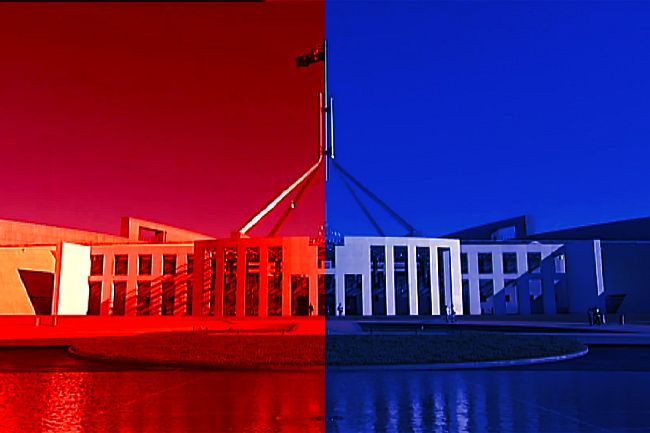
Australia’s political landscape is currently facing a significant debate regarding its traditional two-party system. Many political analysts argue that the current adversarial structure, which focuses heavily on competition between the two major parties, may be limiting the potential for democratic reform in the country.
At the heart of this discussion is the question of how representatives are elected. Some experts suggest that the current system makes it difficult for smaller parties and independent voices to influence national policy. They argue that the focus on two dominant groups often leads to political gridlock, preventing new ideas from being fully considered.
Because of these concerns, there is a growing conversation about the benefits of proportional representation. Proportional representation is a system where the number of seats a party wins in parliament is directly related to the percentage of the total vote they receive. Supporters believe this change would create a more diverse parliament that better reflects the varied opinions of the Australian public.
However, changing a political system is a complex process that requires careful consideration. Critics of such a change often point to the stability that the current system provides, noting that it allows for clear government majorities. Any move toward a different model would require significant public debate and potential changes to how Australians vote in federal elections.
As the country moves forward, the conversation about electoral reform remains an important topic for voters. Whether Australia will eventually move toward a more proportional system or maintain its traditional structure is a question that will likely continue to shape national political discussions for years to come.