Australian Mining Companies Slow Down Efforts to Go Green
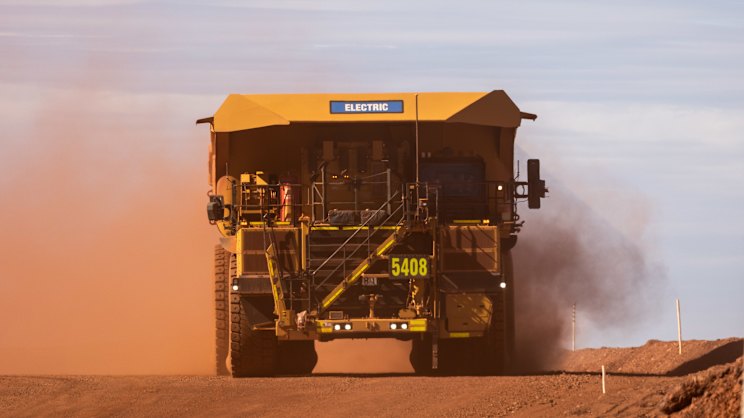
Australia’s mining industry is currently facing a difficult challenge as companies try to reduce their carbon footprint. For several years, many of the country’s largest miners have been racing to "decarbonise," which means reducing the amount of carbon dioxide they release into the atmosphere. However, recent reports suggest that some of these companies are now slowing down their progress.
Mining is a vital part of the Australian economy, providing thousands of jobs and significant income for the country. To protect the environment, many mining firms previously set ambitious goals to reach "net zero" emissions by 2050. This involves moving away from fossil fuels and using renewable energy sources, such as solar and wind power, to run their massive operations.
Despite these goals, several factors are causing companies to "tap the brakes" on their green plans. One of the main reasons is the high cost of new technology. Building the infrastructure needed for green energy at remote mine sites is extremely expensive. Additionally, some companies are finding it difficult to maintain their production levels while changing their energy sources.
Economic pressures are also playing a role in this shift. With global market prices changing, some mining leaders are worried about staying competitive. They fear that spending too much money on decarbonisation too quickly could make their minerals more expensive than those from other countries. This has led to a more cautious approach to environmental spending in the short term.
The Australian government and the public continue to put pressure on the industry to become more sustainable. While the long-term goal of a cleaner mining sector remains, the current situation shows that the transition is more complicated than many first thought. Balancing environmental responsibilities with economic reality will be the main challenge for Australia's miners in the coming years.