The FIFA World Cup: A Global Event with a Changing Identity
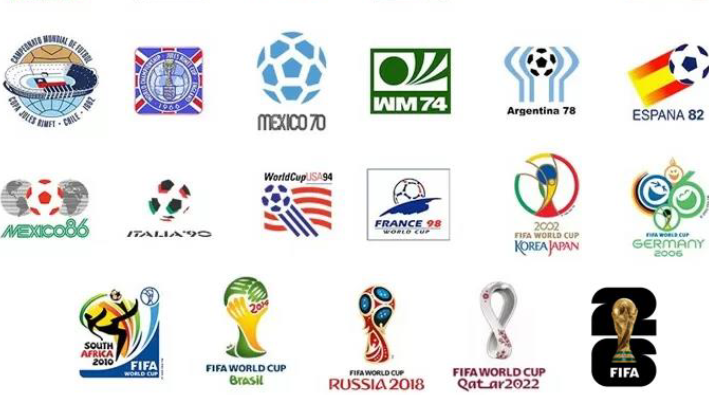
The FIFA World Cup is one of the most popular sporting events in the world, attracting billions of viewers every four years. In 2022, nearly 40 percent of the global population watched at least part of the tournament. Because so many people follow the games, the way the event is presented to the public is very important for its international success.
One of the most interesting parts of the World Cup is its branding strategy. Every four years, FIFA creates a new logo and visual style for the tournament. These designs usually reflect the culture, history, and colors of the host country. For example, the 2022 logo in Qatar used traditional Middle Eastern elements to represent the region to the rest of the world.
However, some marketing experts are questioning this strategy. They wonder if changing the logo so often is a good idea, or if it is an "own-goal"—a sports term for a mistake that hurts one's own team. While a new design celebrates the host nation, it can also make it harder for fans to recognize a consistent image for the World Cup over time.
Maintaining a balance between tradition and change is a difficult task for any major organization. While the logos will continue to evolve with each new host, the tournament remains a powerful force that brings people together from all over the globe. As fans look forward to future tournaments, the debate over the event's visual identity is likely to continue.