Australia’s Population Set to Grow Through Migration as Birth Rates Decline
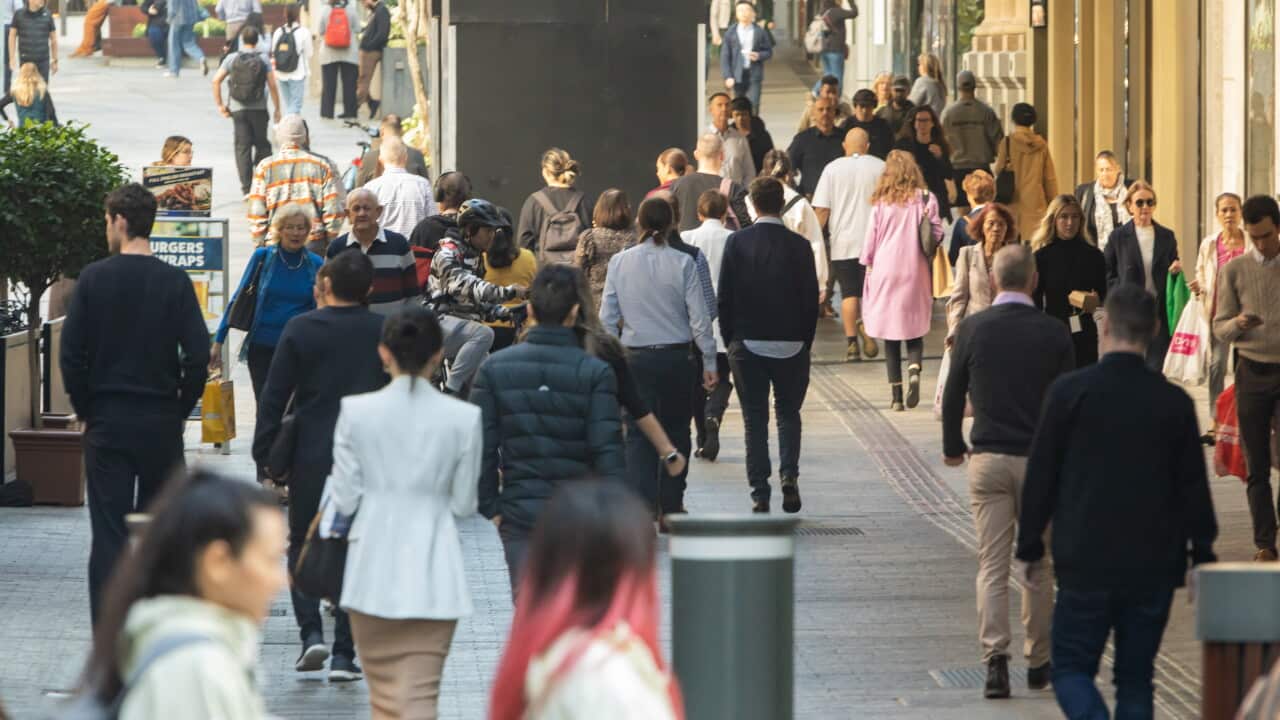
Australia is facing a significant demographic shift in the coming decades. According to new projections, the nation’s population is expected to reach 39.3 million people by the year 2066. While the country continues to grow, experts note that this increase will be driven primarily by migration rather than natural births.
Recent data suggests that Australia is approaching a major turning point where the number of deaths will eventually overtake the number of births. As the population ages, the traditional way of growing the country through new families is changing. Consequently, the government is looking toward international migration to maintain population levels and support the workforce.
This shift in demographics comes with economic challenges. Forecasts indicate that Australia’s economic growth is likely to slow down as the population ages. A smaller proportion of working-age people will need to support a larger number of retirees, which puts pressure on the national budget and public services.
To manage these changes, policymakers are focusing on long-term planning. By relying on migration, the government hopes to fill essential job roles and keep the economy stable. These projections serve as a guide for how Australia might need to adapt its infrastructure, healthcare, and housing policies over the next forty years.
In conclusion, while Australia will continue to see its total population rise, the nature of that growth is evolving. The transition toward a migration-led population model will be a defining feature of the nation’s future, requiring careful management to ensure continued prosperity for all residents.