The Global Rise of Insult-Based Politics
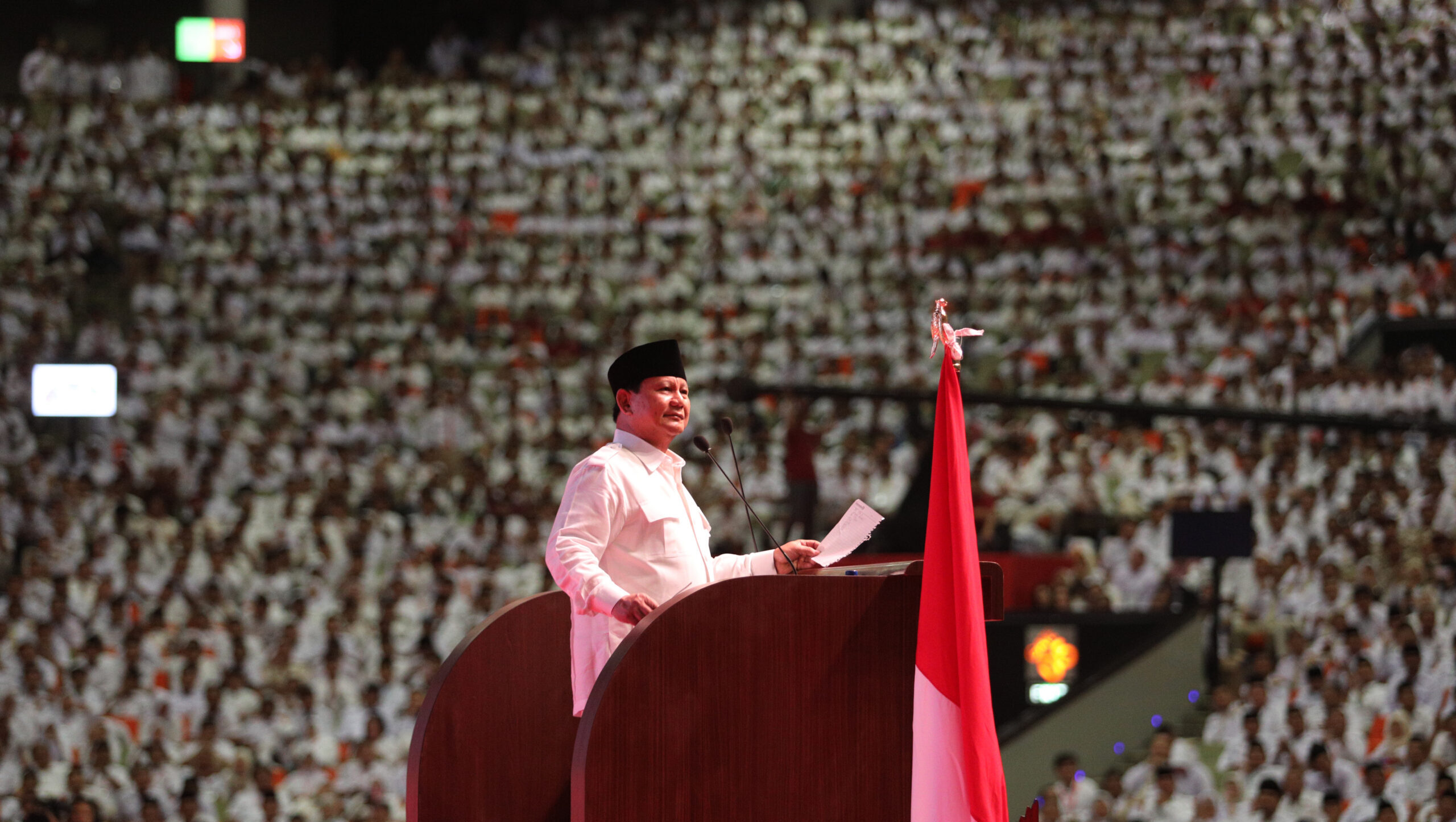
In recent years, political leaders across the globe have increasingly used insults as a primary tool for communication. From international figures like Indonesia’s President-elect Prabowo Subianto to domestic politicians such as Pauline Hanson, this trend has become a common feature of modern political discourse.
Experts at the Australian Institute of International Affairs suggest that this strategy is not accidental. By using aggressive or insulting language, politicians often aim to appear more honest and courageous to their supporters. They present themselves as outsiders who are willing to challenge established norms, which helps them build a sense of closeness with the people they represent.
This style of communication can have significant effects on how voters perceive their leaders. While some supporters feel that this direct and blunt approach shows strength and authenticity, critics argue that it lowers the standard of public debate. They worry that focusing on personal attacks rather than policy issues can divide communities and make it harder to solve complex problems.
For Australian voters, this global trend is particularly relevant as the country prepares for future elections. As political rhetoric becomes more heated, citizens are encouraged to look past the insults to understand the actual policies being proposed. Being aware of these communication tactics can help voters make more informed decisions at the ballot box.
Ultimately, the use of insults in politics reflects a changing global landscape where traditional manners are being replaced by more confrontational styles. Whether this approach will continue to be successful remains to be seen, but it is clear that the way politicians speak is changing the way we think about democracy.