Australia’s Population Set to Grow Through Migration
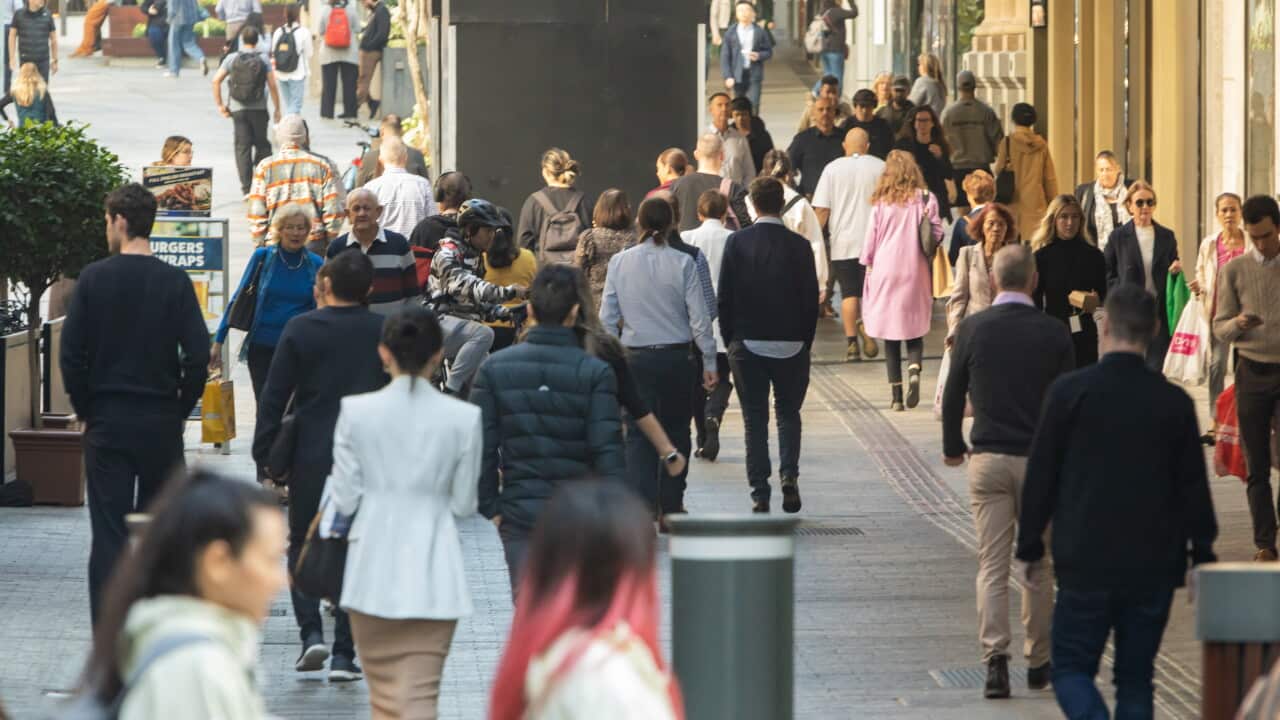
New projections suggest that Australia’s population will continue to increase over the next few decades, reaching an estimated 39.3 million people by 2065-66. While the country is approaching a significant turning point where the number of deaths will eventually overtake the number of births, experts believe migration will remain the primary driver of national growth.
As the population ages, the rate of natural growth—the difference between births and deaths—is expected to decline. This shift means that Australia will rely more heavily on international migration to maintain its workforce and support the economy. Without this influx of new residents, the country would face a much smaller population base in the coming years.
Despite the projected increase in total numbers, the report indicates that Australia’s economic growth is likely to slow down over the long term. This is partly due to the aging population, which places more pressure on healthcare and social services while reducing the number of people available to work in traditional industries.
Government planners are now looking at how to manage this demographic transition. Ensuring that infrastructure, housing, and public services can support a larger population will be a key challenge for policymakers. By focusing on sustainable migration and economic planning, the government hopes to keep the nation prosperous despite these changing trends.
Looking ahead, the focus will remain on balancing the needs of an older generation with the opportunities brought by new arrivals. While the demographic landscape of Australia is changing, migration is expected to play a vital role in keeping the country growing well into the future.