Vienna paid 983 million euros in Mindestsicherung in 2024
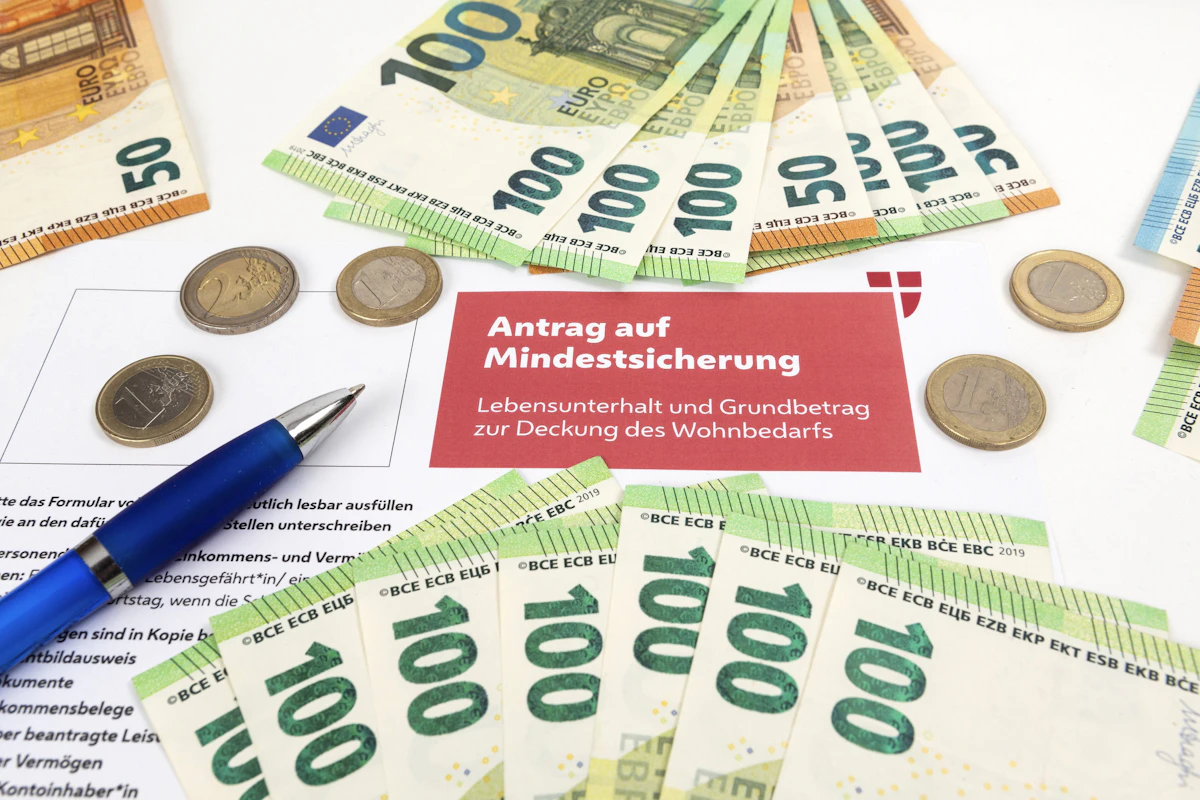
Austria has published what it spent on Mindestsicherung and social assistance in 2024, and Vienna accounts for most of it. The city paid out 983.2 million euros over the year. All eight other federal states together spent 334.3 million. Ten years earlier Vienna's figure was less than half what it is now, while spending in the other states has barely moved since 2014.
The gap is driven by how many households claim rather than by how much each one receives. Across Austria there were 205,781 benefit households in 2024, and 149,188 of them were in Vienna — more than seven in ten. On cost per household Vienna is not the most expensive place in the country: it paid 8,740 euros a year per household, against 9,190 in Styria and 8,260 in Tyrol. That comparison is the one the city itself points to in the argument now running, and it is worth knowing before reading the headline totals.
The figures have reopened a dispute about how the system should work. Economists at the Agenda Austria think tank told Austrian newspapers that Vienna's higher per-child rates draw larger families to the capital, and argued for paying more support in goods and services rather than cash, and for a residence obligation that would spread new arrivals across the states. Others in the same debate warn that simply harmonising the nine systems guarantees nothing unless the level is set carefully. Talks on a single nationwide social assistance law have been running for months without agreement, several states have gone ahead with their own reforms, and a genuinely common model by 2027 is described by the same economists as unrealistic.
For anyone currently receiving Mindestsicherung, nothing changes today. Your entitlement, the amount and the rules of your own state are unaffected by these figures — they describe 2024 and were released as statistics, not as a decision. What they signal is that a reform is being negotiated which could change how much is paid, could shift part of the support from money into goods and services, and could attach conditions to where you live. The 2025 figures are expected in mid-November, and any change would come through your state's law. If a reform is passed, check your own award notice rather than relying on national coverage.