How coalitions are formed in Austria: A look behind the scenes
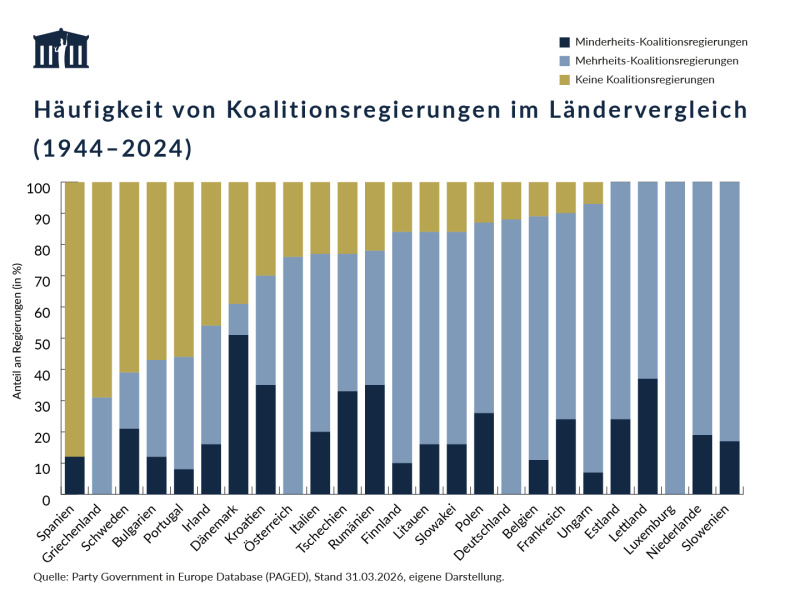
After the National Council election in Austria, an exciting phase begins for the elected parties: the formation of a government. In Austrian politics, it is rare for a single party to achieve an absolute majority. Therefore, two or more parties usually have to join forces in a coalition to form a government together.
Coalition research examines exactly why certain parties govern together and others do not. In this context, policy alignment plays a central role. Parties compare their election manifestos to find common ground on important issues such as the economy, education, or environmental protection. Stable cooperation is only possible if the parties can reach a consensus on the most important goals.
In addition to policy content, trust between the negotiating partners also plays a major role. The party leaders hold intensive talks to develop a so-called government program. This document sets out which laws and reforms are to be implemented over the next five years. This process requires a great deal of patience and a willingness to compromise from all those involved.
The distribution of seats in parliament also influences the form of the coalition. Since the government requires a majority in the National Council for its laws, the coalition must be structured in such a way that it can reliably pass votes. The strength of the individual parties in parliament often determines how many ministerial posts a party receives in the new government.
In summary, the formation of a coalition is a complex process. However, it is necessary to ensure a stable and capable government in a parliamentary democracy like Austria. Citizens follow these negotiations closely, as they determine the political future of the country for the coming years.