How Genes Determine the Size of the Brain
Published
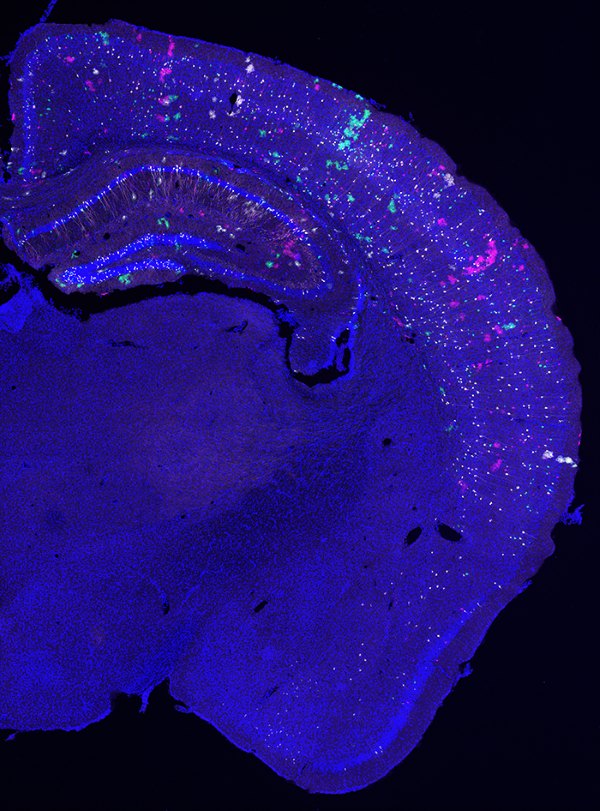
The brain is one of the most complex organs of the human body. Even so, its size is relatively similar within a population. Why this is so has interested researchers for a long time.
A recent study by the Institute of Science and Technology Austria (ISTA) looks at the question of what role genes play in the development of brain size. ISTA is a research institute in Klosterneuburg in Lower Austria, which works mainly in the fields of biology, physics and mathematics.
Brain size is an important topic in biology because it is closely linked to the development of the nervous system. Genes control how cells divide and how tissue builds up during early development. If we understand which genetic factors play a role here, we can better explain why brains differ in size and shape, or why they are, on the contrary, so uniform.
The results of such basic research are especially important for understanding biology. They help to explain the processes in the human body more precisely. Further studies will show which insights will emerge from this in the long term.
Sources: Institute of Science and Technology Austria (ISTA)
More Austria news
- Sports Sponsorship with Social Value: Günther Weninger Speaks at the KaffeehausTALK
- Free Lounge Access at Vienna Airport: What Credit Cards Offer
- UniCredit close to taking over Commerzbank
- 35 Lecturers warn against deportation centre in Rwanda
- About 700 pupils experience research up close
- Nearly half of Austrians do unpaid care work
- ATX rises on Thursday at the Vienna Stock Exchange
- Vienna Stock Exchange: ATX Prime Up in the Afternoon