How coalitions are formed in Austria: A look behind the scenes
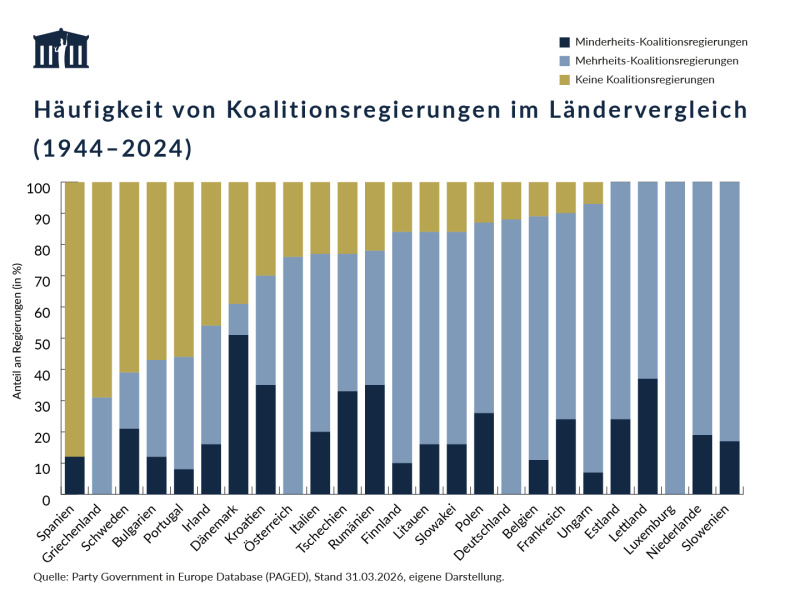
After an election in Austria, a particularly exciting phase begins for the parties: the formation of a new government. Since a single party rarely achieves an absolute majority in Austria, different parties must agree to work together. This process is known as coalition building.
Research shows that coalitions do not emerge by chance. There are clear rules and reasons why certain parties work together and others do not. An important factor in this is the parliament. The structure of the National Council significantly influences which coalition options exist in the first place and how stably a government can operate in the coming years.
A new specialist dossier from the Austrian Parliament now sheds light on exactly these connections. It explains the role that political programs, the distribution of ministerial posts, and the expectations of voters play in the negotiations. It becomes clear that compromises are a necessary part of Austrian democracy.
The formation of a government is therefore much more than just a meeting of party leaders. It is a complex process intended to ensure that the interests of the population are represented in legislation. Understanding these procedures helps citizens to better comprehend the political decisions in the country.
In summary, the way in which coalitions are formed has a direct impact on Austria's political stability. Those interested in the background of government formation can find detailed information on the mechanisms of our parliamentary democracy in the parliament's specialist dossier.