Driving licence undergoes major changes: Here's what's new
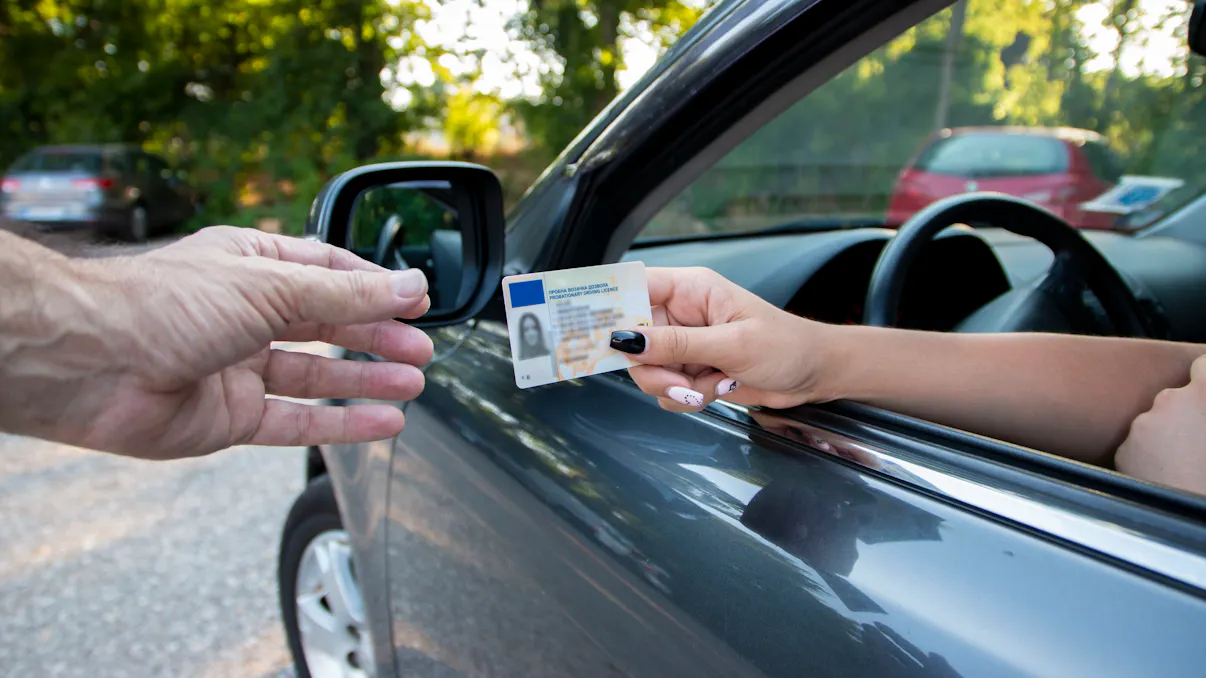
Millions of drivers in Austria are set to face major changes as a new EU driving licence directive introduces seven important reforms. The first rules are due to take effect from November 2027, with others following in 2028 and 2029.
One major change concerns the automatic driving licence. Drivers who take their practical test in an automatic car currently receive Code 78, which restricts them to automatic vehicles. Under the new rules, certain drivers will be able to remove this restriction through additional training or a special practical test. At least seven lessons will be required for the training route.
The EU is also introducing a new option for driving at 17. Austria’s existing L17 system will remain, but young people will gain another possibility: obtaining a B driving licence at 17 and driving accompanied until they turn 18. The accompanying driver must meet specific requirements, including being at least 24 years old and having held a B licence for at least five years.
Another possible change concerns heavy vehicles. EU rules will allow member states to permit 17-year-olds to drive certain C, C1 and C1E vehicles while accompanied. However, Austria must decide whether to introduce this option, so it will not automatically become available to every 17-year-old.
Health requirements are also being changed. For cars and motorcycles, EU rules will allow countries to use a written or electronic health self-assessment instead of a medical examination in certain circumstances. Truck and bus drivers will continue to require medical checks. Austria will determine how the new system is implemented.
The traditional plastic driving licence will also get a digital companion. A standardised EU digital driving licence is planned for smartphones and is expected to be available by November 2029 through the European Digital Identity Wallet. However, physical licences will remain available for people who prefer carrying a card.
Electric-car drivers could also benefit from a higher weight limit. Under certain conditions, the B licence will allow drivers to operate alternative-powered vehicles weighing up to 4,250 kilograms. The change is particularly relevant to electric vehicles because their heavy batteries can make them significantly heavier than comparable petrol or diesel cars. The new rule is expected to apply from November 2027.
Finally, serious driving offences will have consequences across EU borders. New rules will make certain driving bans imposed after serious offences, including major speeding violations and drink- or drug-driving, more effective across member states. The cross-border rules are expected to apply from 2030, meaning drivers will no longer be able to simply rely on national borders to escape the consequences of a serious driving ban.