First Crimean-Congo case in Austria! Woman isolated
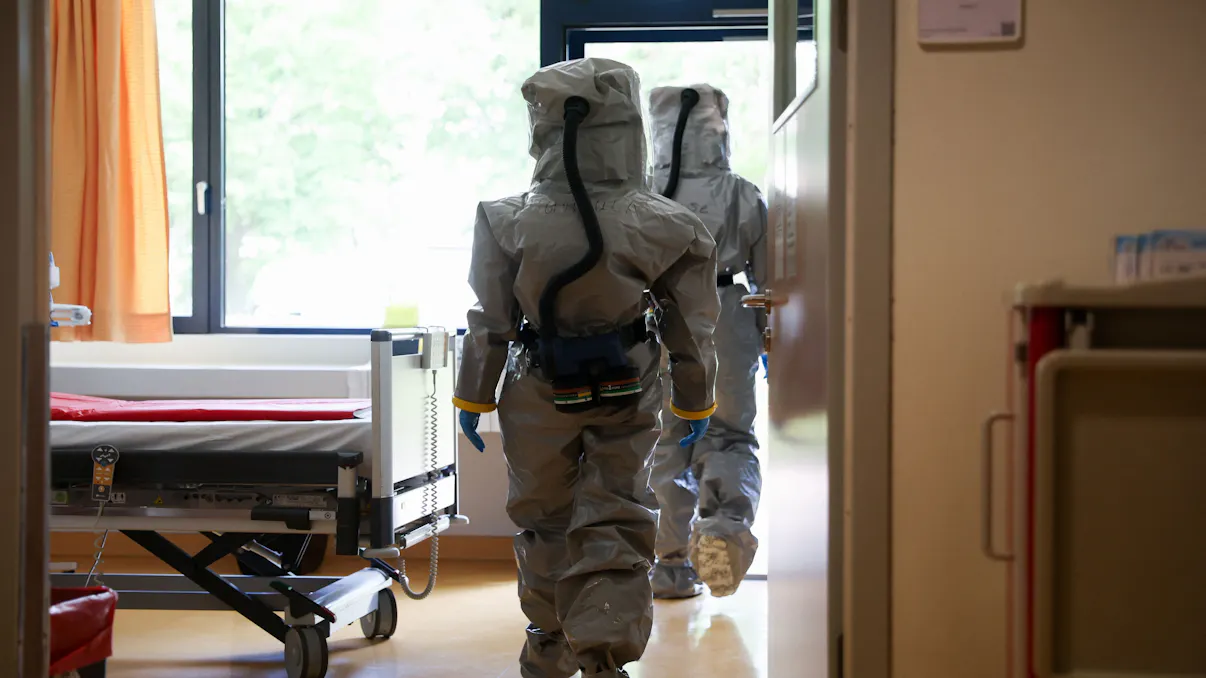
Austria has confirmed its first case of Crimean-Congo fever. The infected woman recently returned from the Middle East and is now receiving specialized treatment in isolation at Klinik Favoriten in Vienna.
According to Austrian health authorities, the woman’s infection was detected after she developed symptoms following her return. A sample tested positive for the Crimean-Congo virus at the Agentur für Gesundheit und Ernährungssicherheit (AGES), Austria’s Agency for Health and Food Safety.
Doctors believe she contracted the infection while staying in the Middle East. She sought medical attention soon after developing symptoms, and specialists from the infectious diseases and tropical medicine department at Klinik Favoriten were brought in. The patient is currently in a stable condition and receiving intensive medical care.
To confirm the diagnosis, another sample was sent to Germany’s Bernhard-Nocht-Institut for further testing. At the same time, Vienna’s health authorities began identifying people who may have been in close contact with the patient.
Authorities say transmission to people who had close, unprotected contact with an infected person cannot be completely ruled out. However, they consider sustained circulation of the virus in Austria unlikely. The case is subject to Austria’s strict mandatory reporting rules.
Crimean-Congo fever is a rare viral disease found mainly in parts of Africa, southeastern Europe, the Middle East and Asia. Humans can become infected primarily through bites from infected Hyalomma ticks, sometimes known as “giant ticks,” or through contact with blood, tissue or meat from infected animals such as cattle, sheep and goats.
Human-to-human transmission is possible through close, unprotected contact with the blood or other infectious bodily fluids of an infected person. However, ordinary everyday social contact is considered extremely unlikely to spread the virus.