“We need to talk” – Chancellor now addresses the nation
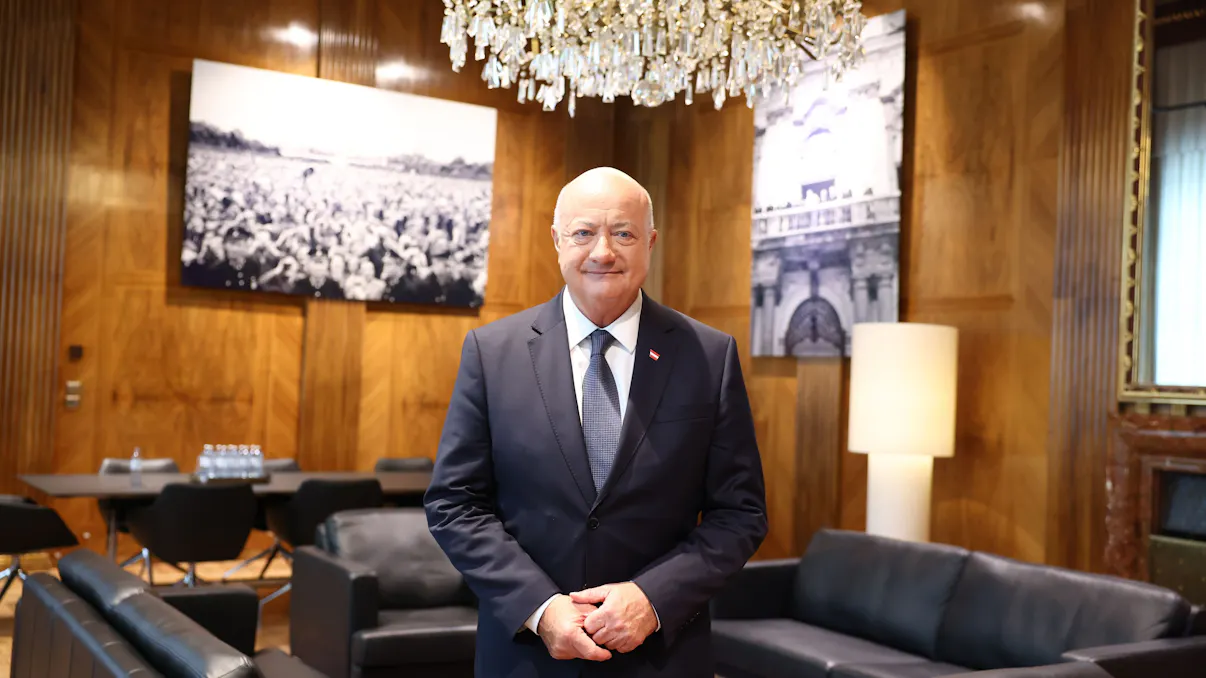
Austrian Chancellor Christian Stocker has delivered an unusually direct message to the nation, warning that Austria must confront its problems instead of pretending everything is fine. He highlighted migration, healthcare and the struggling economy as major challenges.
In a video message released Saturday, Stocker said his summer tour across Austria had given him the opportunity to speak with entrepreneurs, parents, healthcare workers, pensioners and young people. Those conversations, he said, convinced him that Austria needed an honest discussion about its current situation.
Migration and integration were among his strongest concerns. Stocker said most people living in Austria respect the country’s rules and want to become part of society, but he argued that authorities must act when people refuse to respect Austrian laws and institutions.
He specifically pointed to situations in which teachers are disrespected because they are women, people refuse to learn German or individuals reject Austrian laws and institutions. He also called for firm action against extremism and contempt for human dignity. “Austria is an open country, but openness does not mean anything goes,” Stocker said.
The Chancellor also criticized weaknesses in Austria’s healthcare system. Despite the country spending more on healthcare than the OECD average, many patients still face long journeys, complicated responsibilities and uncertainty. Stocker said reforms could include combining services and placing greater emphasis on specialization, quality, transparency and prevention.
The economy was another major concern. Stocker noted that Austria’s economy contracted in 2023 and 2024 before recording only minimal growth last year. At the same time, rising costs have damaged the country’s competitiveness. He argued that employers and employees should not be treated as opponents because both depend on a strong economy.
Despite his criticism, Stocker insisted that he was not trying to portray Austria as a country in decline. He rejected both the idea that everything is fine and the claim that everything is already lost. Instead, he said the government must make difficult decisions, explain why they are necessary and ultimately be judged by whether those decisions work.
Stocker ended his message on a more optimistic note, saying he does not believe Austria’s best days are behind it. He argued that the country’s future can still be better, but only if its problems are openly acknowledged and meaningful decisions are made.