The Role of Emotions in Austrian Democracy
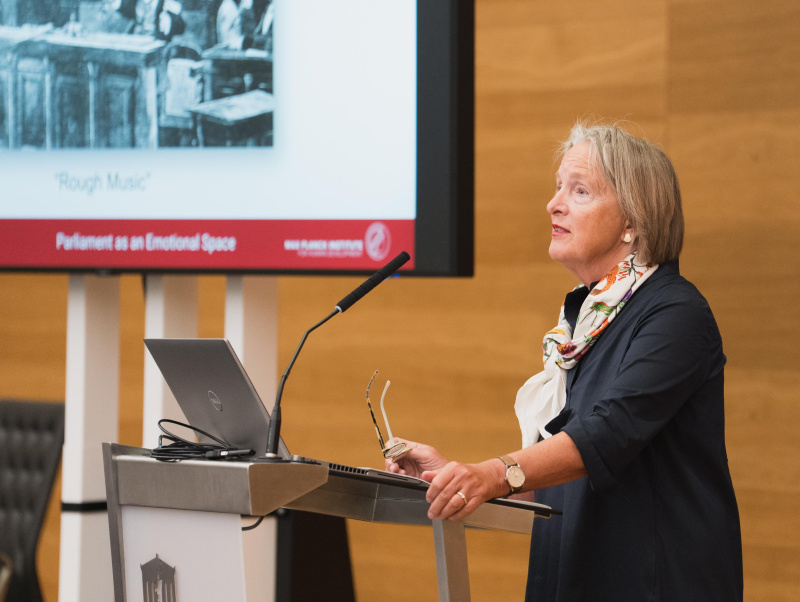
The Austrian Parliament recently hosted the "Parliamentary Research Day 2026." The focus of the event was a scientific analysis of how political decisions are made in a democracy. Experts examined the complex interplay between reason, emotion, and human perception.
In modern politics, emotions play an increasingly important role. Researchers discussed how feelings influence the work of members of parliament and what effects they have on legislation. It was emphasized that politics does not consist solely of dry facts, but is also strongly shaped by human psychology.
A central topic of the discussion was the question of how to find a balance between rational thinking and emotional action. In a democratic system, it is important that laws are based on sound arguments. At the same time, however, politicians must also understand the concerns and feelings of citizens in order to maintain a connection with the population.
The event made it clear that the "mechanics of politics" go far beyond mere voting in parliament. The participants agreed that a healthy democracy requires both intellect and empathy. Only through this dialogue can political processes remain understandable and comprehensible for the people in Austria.
In summary, the Parliamentary Research Day provided important impetus for the future. The scientific examination of this topic helps to better understand the work of parliament. In a time when political debates are often conducted very emotionally, this objective look at the background of democracy is particularly valuable.