How emotions and reason influence our democracy in Austria
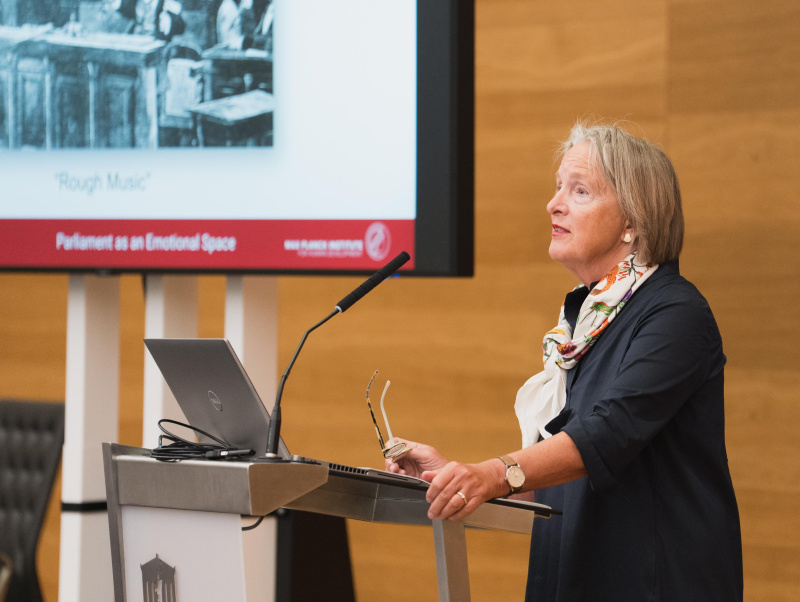
The Austrian Parliament recently observed the "Parliamentary Research Day 2026." The focus of the event was an intriguing question: What role do feelings and rational thinking play in our political system? Experts examined how emotions influence the work of politicians and the decisions made during the legislative process.
In modern politics, it is often assumed that decisions should be based purely on logical arguments. However, research shows that human emotions are an integral part of political mechanics. Whether in debates in the National Council or in the drafting of new laws, emotions influence how issues are perceived and evaluated.
The scientists emphasized that a healthy democracy requires a balance. While reason is necessary to solve complex problems objectively, emotions help to better understand the needs of citizens. The event aimed to sharpen the understanding of these processes and to show how important respectful interaction is in everyday political life.
In conclusion, it became clear that research into parliamentary work will continue to play an important role in the future. By understanding how we as humans react to political issues, we can further improve the quality of democratic debates in Austria. The Parliamentary Research Day made an important contribution to the social dialogue in this regard.