Drought forces farmers in Austria to slaughter cows early... and there are fears of higher meat prices in 2027
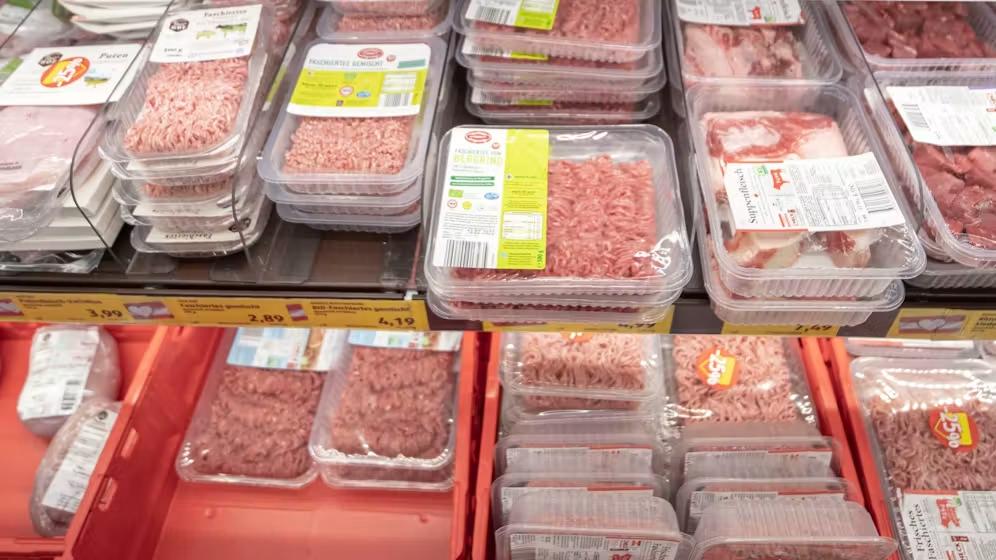
A severe drought and growing feed shortages are putting Austrian cattle farmers under increasing pressure. Many are reducing their herds and slaughtering animals earlier than planned, raising concerns about a possible beef shortage and higher prices in 2027.
According to *Heute*, large areas of pasture have failed to produce enough grass because of the persistent dry conditions. Some farms have already been forced to use hay and silage reserves that were originally intended for the winter, leaving farmers with difficult decisions about how to feed their remaining cattle.
Johannes Schmidt of the Landwirtschaftskammer Österreich (Austrian Chamber of Agriculture) said farmers essentially have two options: reduce the number of animals in their herds or purchase additional feed. However, buying extra feed can be expensive and difficult when supplies are limited, prompting some farmers to reduce their cattle numbers before winter arrives.
The impact is already being felt at slaughterhouses. Arge Rind, the Austrian cattle industry organization, reports that the number of cattle recently sent for slaughter has reached around three times the usual level. The situation is particularly severe in Oberösterreich (Upper Austria) and Niederösterreich (Lower Austria), where slaughter numbers are reportedly two to three times higher than normal.
Werner Habermann, managing director of Arge Rind, said slaughterhouses are currently operating at full capacity and that he has never seen a similar situation at this time of year. Farmers are mainly removing older or less productive animals while trying to keep their most valuable cattle for breeding and future production.
The problem is not limited to grass. Farmers are also struggling to find alternative sources of feed. Silage corn and grain can be used in some cases, but organic farms have fewer options because of the rules governing organic production. Grassland remains the main source of cattle feed in Austria, covering around 1.3 million hectares.
The increased slaughter rate is temporarily boosting supplies of certain types of cattle, putting downward pressure on prices. However, this does not necessarily mean consumers will immediately see cheaper fresh beef in Austrian supermarkets. Much of the cattle currently being slaughtered is directed toward food processing, including products such as burgers, while fresh supermarket beef mainly comes from bulls, whose slaughter numbers remain relatively stable.
Austria also exports around 60% of its beef, with Switzerland, France, Spain and the Netherlands among its key markets. Habermann is calling on retailers and wholesalers to rely more heavily on Austrian beef and reduce imports while domestic farmers are dealing with the current crisis.
The bigger concern could emerge from mid-2027. If farmers continue reducing their herds, fewer calves will be raised and kept for future production. That could eventually lead to a significant reduction in the number of cattle available for slaughter, pushing beef prices higher.
The situation could become even more difficult if other European countries experience similar drought conditions. If beef production falls across several countries at the same time, importing additional meat may not be enough to compensate for the shortage. For now, farmers are dealing with an immediate feed crisis, but the decisions they make today could have a major impact on Austria’s beef market in 2027.