How emotions and reason influence our democracy in Austria
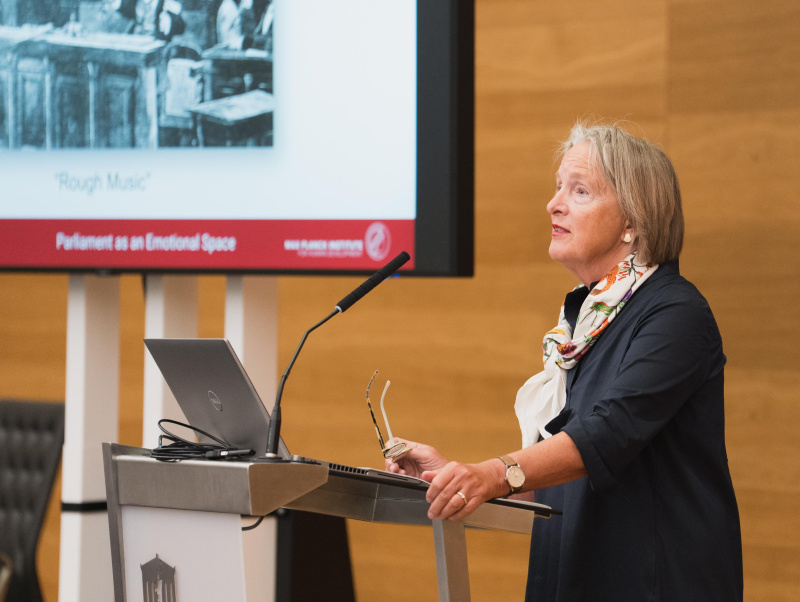
The Austrian Parliament recently hosted the "Parliamentary Research Day 2026." A central question took center stage: What role do feelings and rational thinking play in our democratic system? Experts and members of parliament discussed how these two forces influence political life and legislation in Austria.
In modern politics, it is often emphasized that decisions should be based on facts and reason. However, research shows that human emotions play an equally important role in political processes. The goal of the event was to understand how these emotions shape the work in parliament and communication with citizens.
A special focus was placed on the question of how laws are created. While laws are mostly based on logical arguments, they are often also a reaction to the moods of the population. The conference participants analyzed how members of parliament deal with these expectations and how they can find a balance between factual necessities and societal feelings.
The results of the research are intended to help make political work more transparent. If citizens better understand how political decisions are made, trust in democratic institutions can be strengthened. The event underscored that a vibrant democracy requires both a clear mind and an understanding of people's concerns.
In summary, it can be said that the Parliamentary Research Day provided important impetus for the future. The discussions show that the balance between reason and emotion remains a constant challenge for politics. For Austrian society, this dialogue is important to ensure the quality of parliamentary work in the long term.