How emotions and reason influence our democracy in Austria
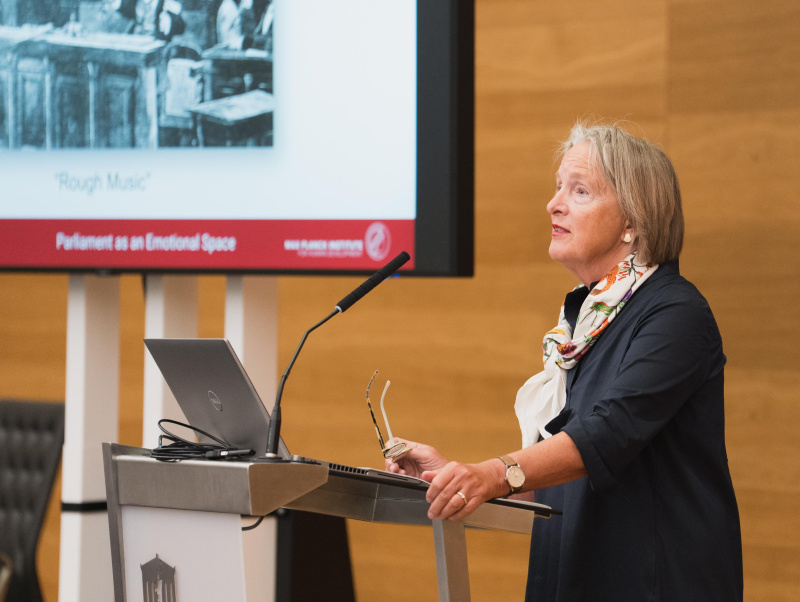
The Austrian Parliament recently hosted the "Parliamentary Research Day 2026." A central question took center stage: What role do emotions and rational thinking play in our democratic system? Experts and members of parliament discussed how these two factors influence political work and legislation.
In today's politics, emotions are playing an increasingly important role. Many people feel directly addressed by political decisions, which often leads to strong reactions. However, research shows that a functioning democracy always requires a balance between emotional impulses and factual reason in order to make stable decisions in the long term.
An important part of the discussion dealt with the question of how laws are created. While laws are based on logical rules and legal facts, they must simultaneously take into account the needs and concerns of the population. The participants of the research day emphasized that politicians must learn to better integrate this human component into their daily work.
In conclusion, it became clear that the connection between reason and emotion is crucial for trust in state institutions. A factual dialogue remains the most important tool for solving societal challenges. The Parliamentary Research Day has thus provided important impetus for how political culture in Austria can be shaped in the future.