UN warns: spending cuts threaten the fight against HIV
Published
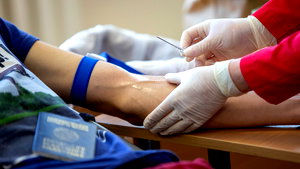
The United Nations has warned about the consequences of major cuts to international aid. According to the UN, these savings could seriously harm the global fight against HIV. HIV is a virus that weakens the body's immune system. Without treatment, an infection can lead to AIDS.
The UN says that many countries are giving less money to HIV programmes. These programmes provide medicines, tests and information. If the money disappears, people may find it harder to get the right care. That means more people could become ill and the virus could spread more easily.
Experts stress that the fight against HIV has achieved important results in recent years. Medicines can keep the virus under control, and many people with HIV live a normal life today. That is why the UN is asking for the funding of these programmes to be maintained. They want countries to keep investing in prevention and treatment.
The UN warning shows how important international cooperation is in healthcare. It is not yet clear whether and how countries will adjust their budgets. What is certain is that the coming period will determine whether the progress of recent years can be sustained.
Sources: Newsmonkey -
More Belgium news
- Electric small plane in the US: flying without a licence
- Ozempic and Mounjaro: warning about rare risk of vision loss
- Democrats win midterms: will there really be change in the US?
- US drops economic deals with Putin to reach peace in Ukraine
- Data breach hits CIA and two other US intelligence agencies
- Ineos moves production of off-roaders from Europe to the United States
- United States prepares controlled explosion of five tons of unstable explosives
- Kilmar Abrego Garcia leaves the US voluntarily after a long legal battle