Wallonia: significant financial challenges for the years ahead
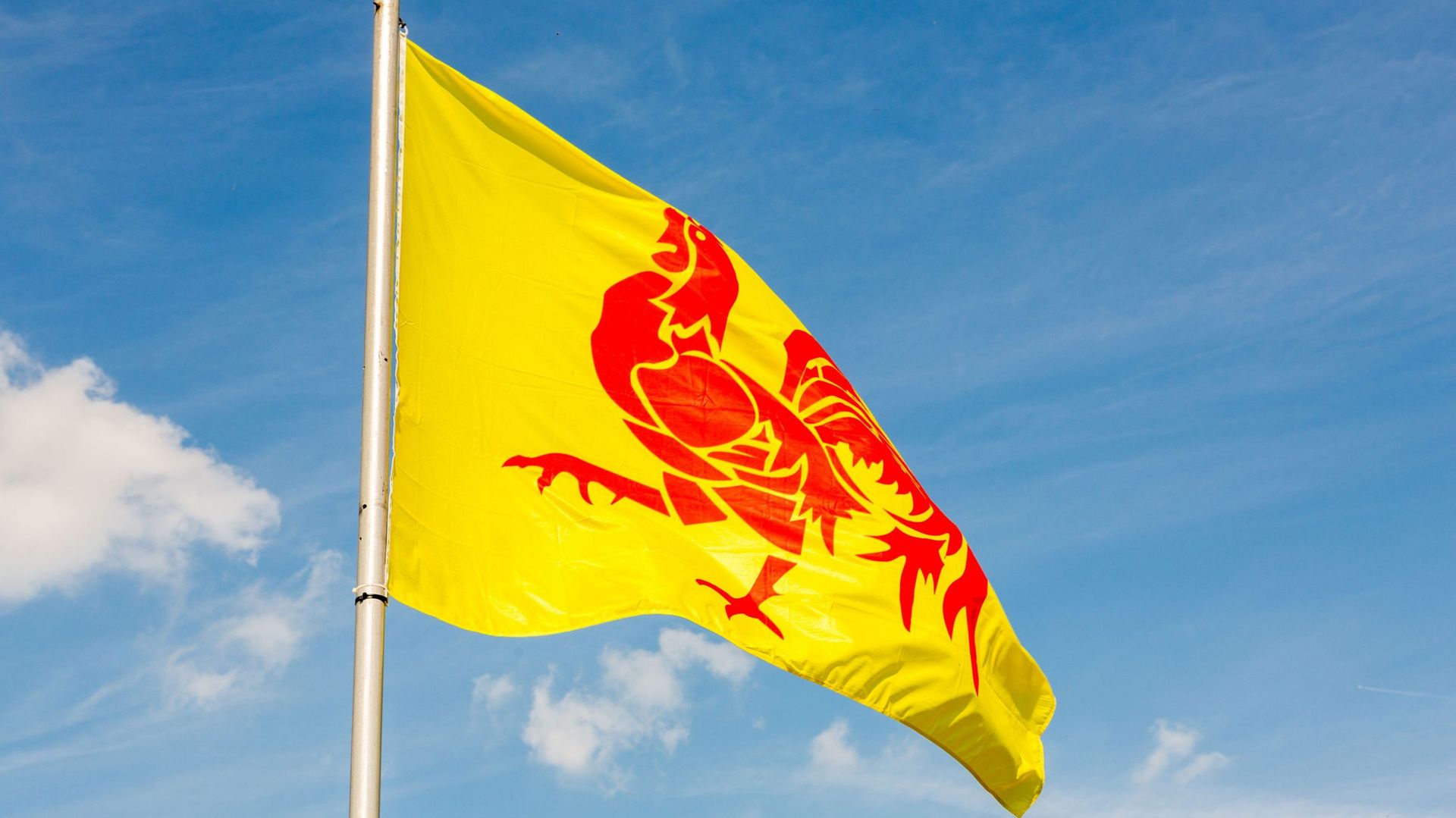
The financial situation in Wallonia is increasingly worrying for politicians and citizens alike. According to the latest forecasts, the Belgian region is facing a significant budget deficit. To stabilize its accounts, the Walloon government has already planned several savings measures, but the task promises to be particularly difficult.
The current plan involves achieving progressive savings. In 2026, the goal is to reduce spending by 270 million euros. However, the effort will need to intensify significantly in the following years. Between 2027 and 2029, approximately 880 million euros will need to be saved to try and restore financial balance.
Despite these impressive figures, some experts fear that these efforts will not be enough. The region's needs are numerous, and economic unforeseen events could complicate the situation. The main question today is how these savings will be achieved in concrete terms and what the real impact will be on public services and the population.
A recent public debate addressed this crucial question: "Who is going to pay?". Discussions focus on the distribution of financial efforts across different sectors of society. Should state revenue be increased or spending reduced further? Opinions differ sharply between political actors, trade unions, and economic representatives.
Wallonia's financial future therefore remains uncertain. The coming years will be decisive for the region, which must find a fragile balance between budgetary rigor and maintaining the quality of life for its residents. The government will have to make strategic choices to ensure the long-term economic stability of the territory.