Religious circumcision: a legal and cultural debate in Belgium
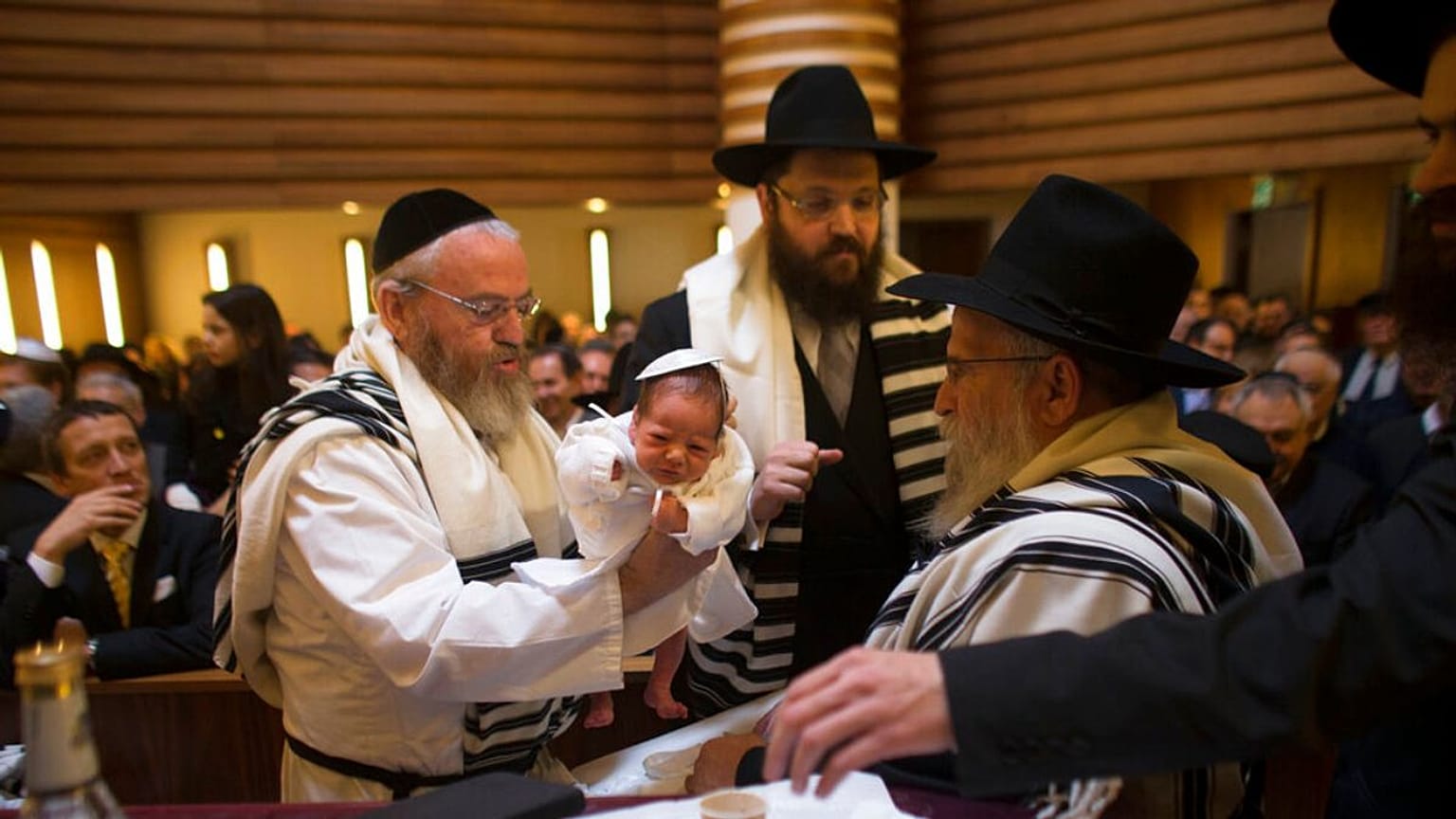
Circumcision is an ancestral practice deeply rooted in Jewish and Muslim traditions. While it is considered an essential rite of passage for many families in Belgium, it regularly raises complex questions concerning law, health, and religious freedom.
In Belgium, the law does not contain a specific text that explicitly authorizes or prohibits ritual circumcision on minors. In the absence of clear legislation, doctors and authorities rely on the principle of the best interests of the child. The debate focuses primarily on the balance between the parents' right to transmit their religious convictions and the child's right to physical integrity.
From a medical perspective, circumcision is a surgical procedure that carries risks, as with any operation. Belgian medical authorities generally recommend that the procedure be performed by a qualified healthcare professional under strict hygienic conditions. The goal is to limit post-operative complications while respecting the ethical framework necessary for any medical act.
The issue remains a subject of discussion within Belgian society. Religious associations emphasize the importance of this practice for their cultural identity, while some children's rights advocates argue for a broader reflection on consent. To date, the practice remains permitted as long as it is performed in compliance with health safety regulations.