Belgian News: Between Local Security, Cultural Successes, and Economic Challenges
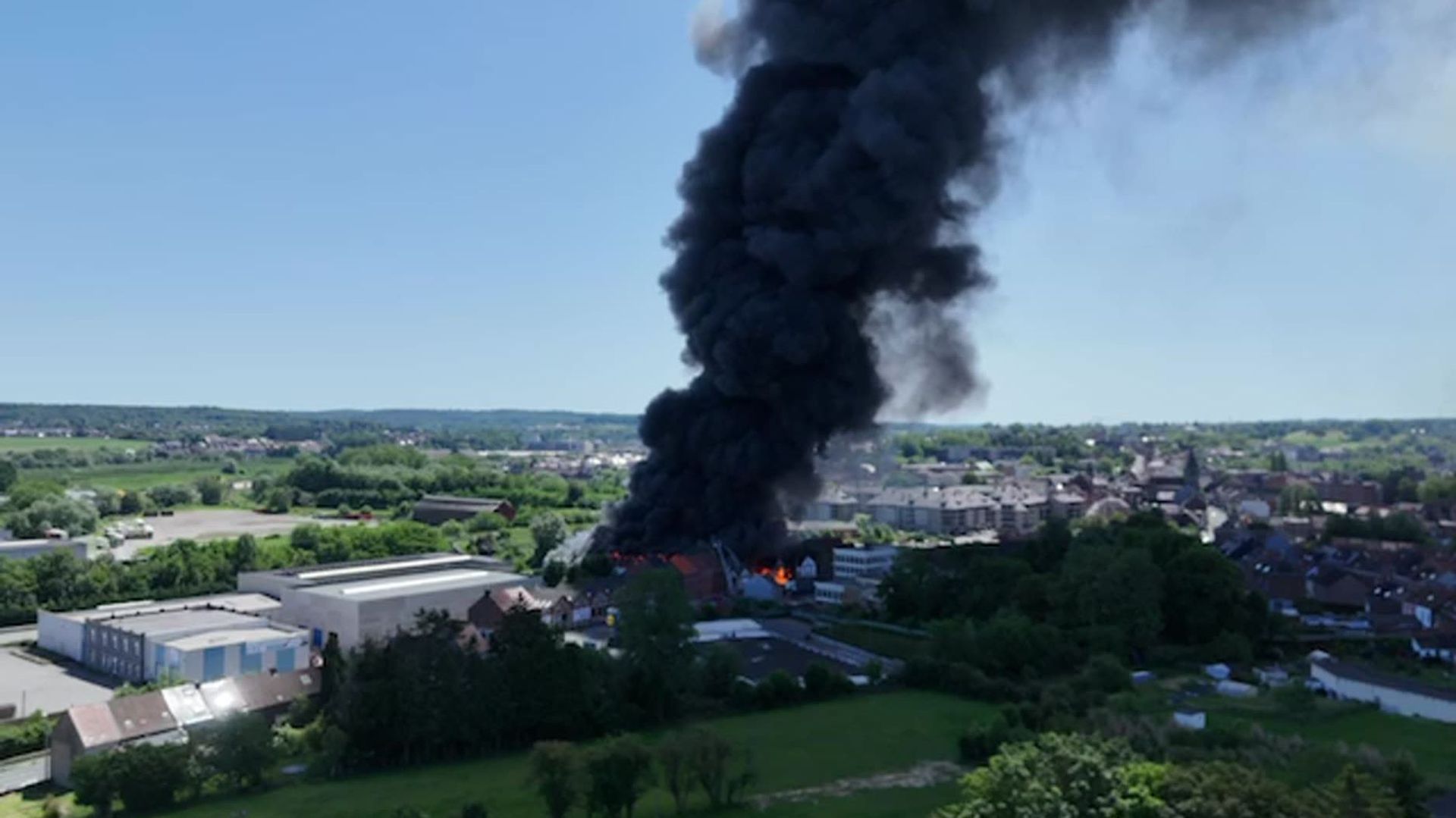
A serious fire broke out in the center of Tubize, destroying a clothing warehouse of more than 1,000 m². Authorities ordered residents to stay indoors due to the presence of asbestos in the black smoke, which was visible from several kilometers away. Consequently, schools in the area will remain closed tomorrow to ensure everyone's safety while firefighters complete their intervention.
On the economic and technological front, artificial intelligence continues to dominate global financial markets. Investors are turning en masse to companies in this sector, boosting the MSCI World Momentum Index. At the same time, Belgium stands out in Europe by taking third place in the auctions for industrial decarbonization. The country will receive a portion of the 400 million euros allocated by the European Union to help 65 projects reduce their pollution.
The Belgian business world is also experiencing significant changes in taxation and management. The "Dividends Received Deduction" (RDT/DRD) tax regime is becoming stricter: Belgian holdings without real economic activity will no longer be able to benefit from it. Furthermore, a recent analysis explains why companies sometimes choose "fake good leaders." These are managers who appear very self-confident and eloquent but have difficulty leading their teams effectively on a daily basis.
Belgian culture is shining particularly bright this week, notably at the Cannes Film Festival. Three Belgians were recognized for their talent: actress Virginie Efira, breakthrough artist Emmanuel Macchia, and screenwriter Emmanuel Marre. In Brussels, success was also on the agenda for the Brussels Jazz Weekend. This musical event attracted more than 200,000 visitors over three days, highlighting established artists and new projects from the contemporary jazz scene.
In the field of art, an exhibition allows for the rediscovery of Germaine Rimbout. This Belgian artist, long forgotten by history, dedicated her life to poetry and paper work. Her artistic journey, marked by the pre- and post-World War II eras, is finally being brought to light for today's public.
Finally, in the Gerpinnes region, the traditional Sainte-Rolende march took an unusual turn. After an incident involving animals, the organizers decided to continue the procession without horses. Despite this last-minute change, the marchers continued to parade with pride to honor this important local tradition.