SNCB and the Belgian State sued for their role during the Second World War
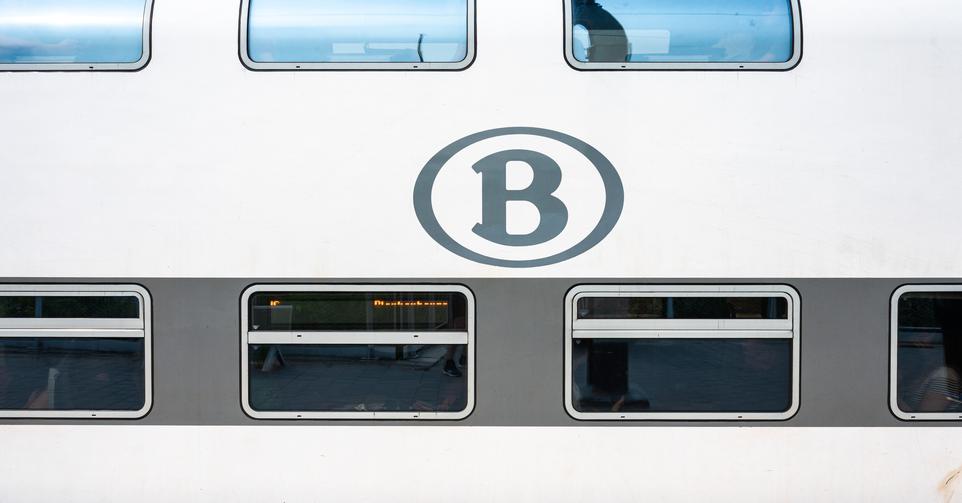
The SNCB (National Railway Company of Belgium) and the Belgian State are the subject of a historic lawsuit. Descendants of Holocaust victims have decided to summon these two institutions before the Brussels Court of First Instance. They accuse them of having actively participated in the deportation of thousands of Jewish, Roma, and Sinti people to Nazi concentration camps between 1942 and 1944.
The plaintiffs argue that the railway company provided the trains and personnel necessary for the transport of deportees from the Dossin barracks in Mechelen. According to the families' lawyers, the Belgian State also bears direct responsibility for the logistical organization of these convoys. This procedure aims to obtain official recognition of this responsibility, a subject that remains very sensitive in the country's collective memory.
This is not the first time the role of the Belgian railways has been called into question. In 2012, the SNCB had already issued an official apology for its collaboration with the Nazi occupier. However, the victims' families believe that these apologies are not enough and now wish for judicial reparation for the harm suffered by their ancestors during this dark period.
The case raises complex questions about the duty of remembrance and the responsibility of public institutions regarding their past. Legal experts are following the matter closely, as it could set an important precedent for other reparation claims linked to historical events. The court must now determine whether the responsibility of the State and the SNCB can be legally established, several decades after the events.