Europe wants to be less dependent on American technology companies
The European Union has presented a new plan to reduce digital dependence on large American technology companies. The goal is to give European companies and governments more control over their own data and digital infrastructure. This is intended to strengthen Europe's digital sovereignty.
An important part of this plan is the promotion of open-source software. Unlike the closed systems of American giants, open-source software is accessible and adaptable to everyone. This offers organizations more transparency and security, as they are no longer tied to the rules of a single commercial company.
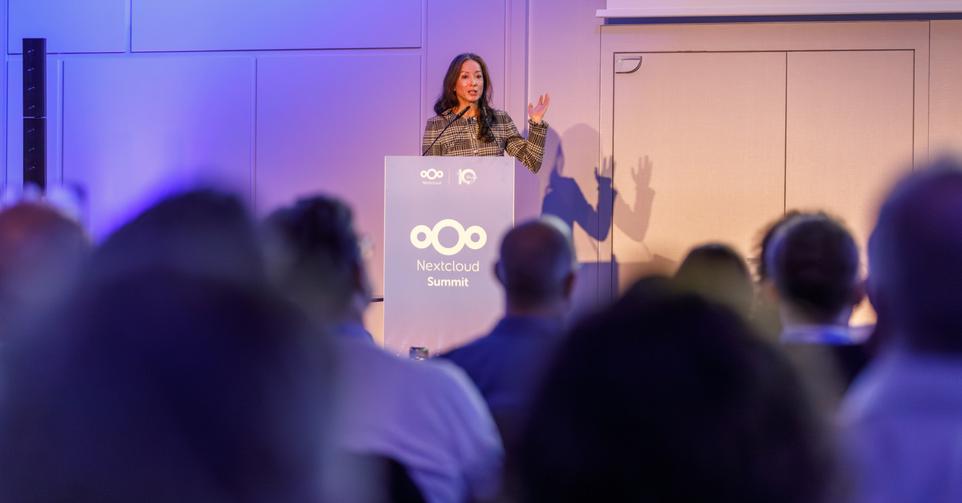
This movement is also receiving increasing attention in Belgium. The company Nextcloud is one of the players trying to gain a foothold in the Belgian market. They offer alternatives to well-known cloud services, allowing Belgian companies and government institutions to store their data on their own servers instead of in American data centers.
For many Belgian organizations, the switch to European alternatives is a way to comply with strict privacy legislation. By being less dependent on foreign tech giants, European institutions hope to be better protected against potential digital espionage or unexpected changes in the terms and conditions of American software suppliers.
It will become clear in the coming years whether European alternatives can compete on a large scale with established American technology. The success of this plan depends on the willingness of both the public and private sectors to invest in these new, independent digital solutions.