New malaria mosquito from Asia spreads in African cities: will it come to Europe too?
Published
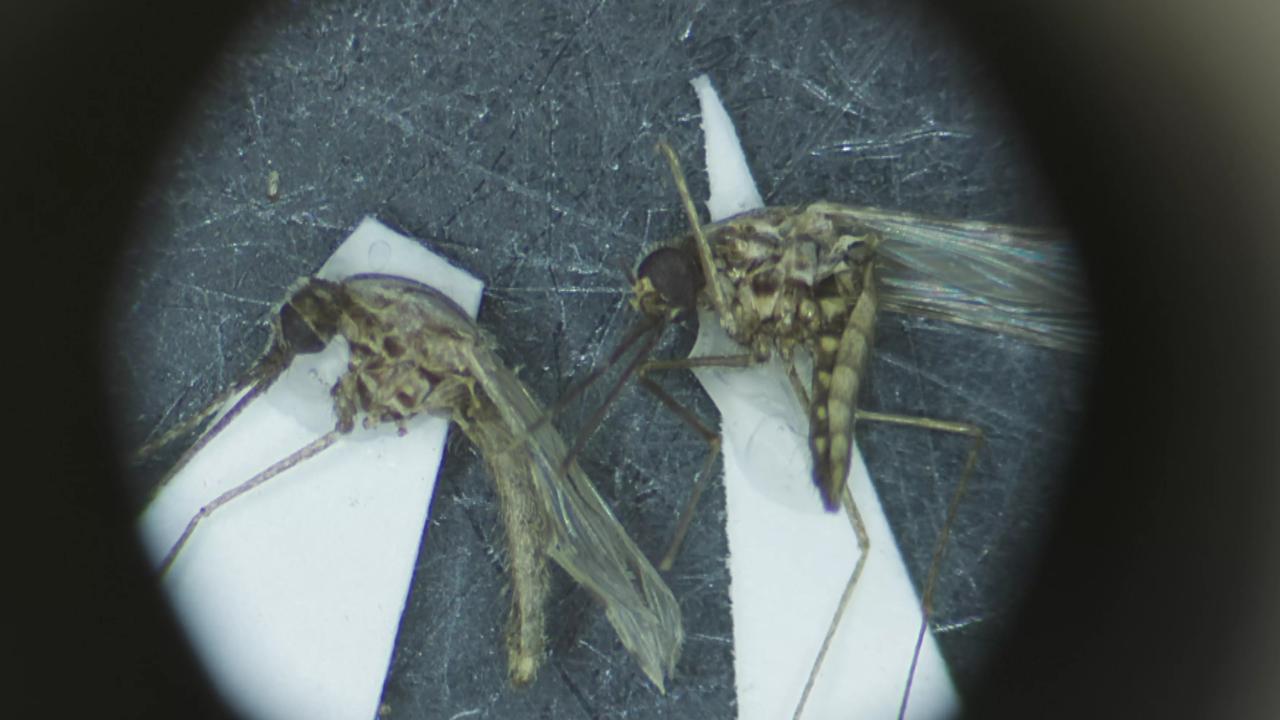
A mosquito species that came from Asia to Africa a little over ten years ago is now spreading quickly. This mosquito is dangerous because it can carry malaria. What stands out most is that it can live well in cities. This is different from many other mosquitoes, which mainly occur in the countryside.
The mosquito, which scientists call Anopheles stephensi, was first found in Djibouti. Since then it has spread further in the east and north of Africa. Because it can survive in urban areas, it is harder to control. Cities have many places where water stays standing, such as containers, wells and roofs. The larvae of the mosquito can develop well there.
It is still unclear whether this mosquito can also survive in Europe and settle there. Scientists are keeping an eye on the situation. Europe has a different climate and different control methods than Africa, but travel and trade make it possible for animals and insects to move over great distances. That is why researchers are looking at how the mosquito is spreading.
Researchers think it is important that countries react early. By tracking mosquitoes and removing places with standing water, the spread can be slowed down. For Belgium, the mosquito is not a direct problem at the moment, but it is a signal that malaria mosquitoes can adapt to new environments.
Sources: NOS
More Belgium news
- Electric small plane in the US: flying without a licence
- Ozempic and Mounjaro: warning about rare risk of vision loss
- Democrats win midterms: will there really be change in the US?
- US drops economic deals with Putin to reach peace in Ukraine
- Data breach hits CIA and two other US intelligence agencies
- Ineos moves production of off-roaders from Europe to the United States
- United States prepares controlled explosion of five tons of unstable explosives
- Kilmar Abrego Garcia leaves the US voluntarily after a long legal battle