The future of sanitation in Brazil: the waste market gains momentum
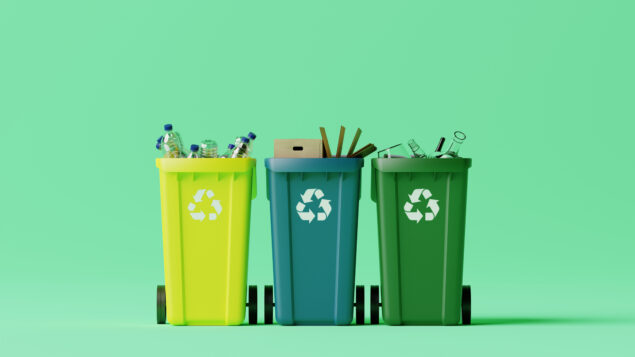
In recent years, the sanitation sector in Brazil has undergone major structural changes. With the creation of the new Legal Framework for Sanitation, the country has attracted billions of reais in investments for water and sewage services. Now, experts and investors believe that the sector's next big business lies in solid waste management, popularly known as the waste market.
The Legal Framework was fundamental to modernizing rules and establishing clear goals for Brazilian cities. Although the initial focus was on the distribution of drinking water, the correct treatment of waste is an essential part of the national plan. Brazilian authorities are working to meet the law's deadlines, which requires replacing old dumps with more modern and secure solutions.
Currently, the waste market is attracting the attention of large companies that see landfills as a lucrative opportunity. The goal of these new investments is not just to store waste, but also to use advanced technologies. Many companies are already planning to transform waste into biogas or electricity, adding value to what was previously considered only an environmental problem.
For a long time, waste management was seen as a secondary niche and ended up lagging behind compared to water treatment. Many cities still face logistical and financial difficulties in managing their waste properly. However, pressure for more sustainable practices and the need to comply with legislation are accelerating the professionalization of this segment.
In summary, the sanitation sector in Brazil is entering a new phase of expansion. With increasing private interest and the modernization of infrastructure, waste management is expected to receive heavy investments in the coming years. This evolution is considered a vital step toward improving public health and promoting sustainable development throughout the national territory.