Elections in Colombia: A reflection of the political landscape in Latin America
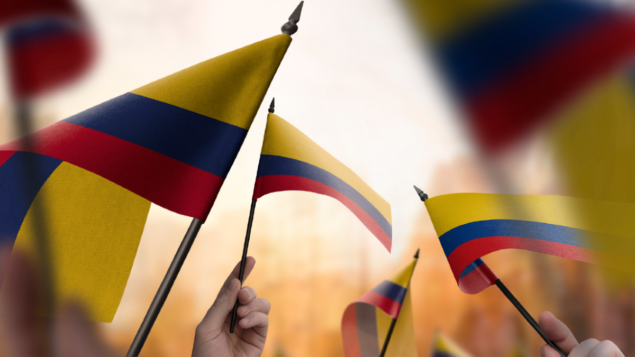
Colombia holds its presidential elections today in an atmosphere of great expectation and international attention. This event is seen by many analysts as a reflection of what could happen in other countries in the region, especially in Brazil. The contest brings face to face opposing political visions for the country's future and the management of its resources.
The current scenario shows an intense dispute between a left-wing government, seeking re-election, and a far-right candidate. This polarization reflects deep divisions in Colombian society, which manifest in heated debates over security, social justice, and the role of the State. Voters are divided between the continuity of current policies and a radical change in political direction.
The economy is one of the central themes of this electoral debate. As Colombia is a major oil exporter, proposals for the energy sector and the management of natural resources are fundamental for the candidates. Furthermore, issues such as inflation and the cost of living concern the population, which seeks practical solutions to ensure economic growth in the coming years.
Many observers point out notable similarities between the situation in Colombia and that of Brazil. Both countries face similar challenges, such as social inequality and the need for urgent economic reforms. Therefore, the result of the Colombian polls is considered a "laboratory" for understanding political trends and the behavior of the electorate in Latin America.
Regardless of the winner, today's result will have a significant impact on regional geopolitics. The election in Colombia does not only define the country's destiny for the next four years, but also sends an important signal about the strength of different political currents on the South American continent. The world now awaits the vote count to know the nation's new direction.