Advances in medicine, new directions in the economy, and the future of technology dominate the global landscape
Brazil's healthcare landscape saw significant news today with Anvisa's approval of Ozivy. This is the first Ozempic analog produced synthetically by the Brazilian pharmaceutical company EMS. The decision is expected to impact the market for weight loss and diabetes treatments. In the corporate sector, the French group Loxam announced the acquisition of Mills, Brazil's largest machinery rental company, for R$ 3.8 billion, which will result in the company's delisting from the Stock Exchange.
Also regarding the financial market, the company CSD BR moved forward with its plan to create a new Stock Exchange in Brazil by forming a partnership with MEMX. The project is supported by giants such as BTG, Santander, and Citi. Simultaneously, experts are debating credit quality in the country. While major banks are reducing risk exposure, recent reports show that the financial situation of consumers still requires caution and detailed analysis.
In the field of technology and geopolitics, Huawei announced a new semiconductor architecture that could allow China to manufacture cutting-edge chips independently. This innovation is a strategic step toward Chinese self-sufficiency in the chip war. At the same time, Pope Leo XIV published an encyclical on artificial intelligence, calling for the technology to be used with ethics and dignity, preventing it from becoming a tool for human division.
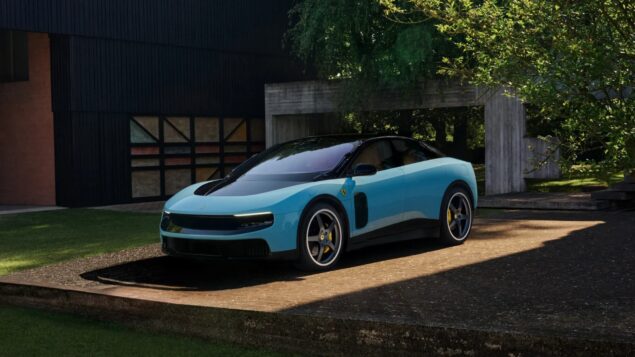
The luxury automotive industry also drew attention, but in a negative way. Ferrari presented its first fully electric model at a major event in Rome, but the car failed to please critics and enthusiasts. The cold reception highlights the difficulty traditional brands face in maintaining their identity and customer desire during the transition to electric power.
Looking ahead to major events, the National Electric System Operator (ONS) has already begun preparations for the next World Cup. The technical objective is to ensure that the power grid can handle the surge in consumption during matches, ensuring that fans can watch the games and maintain comfort in their homes without the risk of blackouts or system instability.
Finally, the startup world brought news in identity and advertising. Didit received an investment of $7.5 million to develop a global infrastructure for digital identity validation. Meanwhile, the Brazilian startup Guipa is innovating in the media sector by transforming delivery motorcycles into mobile advertising billboards, an idea that seeks to generate new revenue for delivery drivers and offer visibility for brands.