Market seeks growth and risk, while education, energy, and investments gain prominence in Brazil
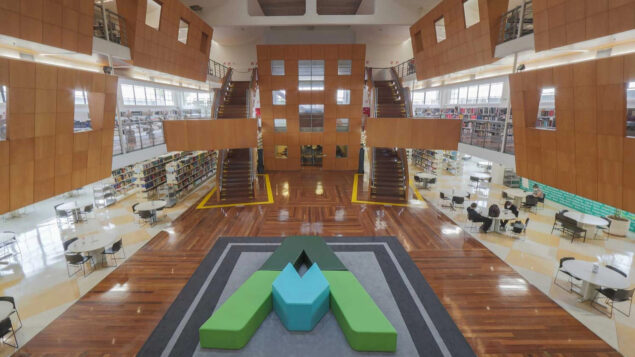
Ânima was one of the day’s main highlights after reporting first-quarter results with on-campus student enrollment above what the market had expected. According to the company, performance came in better than forecast, with figures in line with the analysts’ consensus. The most important data point was the strength of new student intake, signaling a more positive recovery in this segment and reinforcing the perception of the company’s operational improvement.
In the financial market, BlackRock said that investors continue to accept more risk despite concerns about global geopolitics. The assessment is that maintaining an overly defensive position can be costly, especially in a scenario in which different assets still offer opportunities. The message shows that, despite international uncertainties, many investors continue to seek higher returns and avoid becoming excessively conservative.
Another important topic of the day was the advance of fraud linked to solar energy, popularly called solar energy “theft.” The issue has generated concern in the electricity sector at a time when the use of solar panels is growing in homes, businesses, and other facilities in several cities across the country. The problem involves irregular connections or practices that affect energy metering and compensation.
This type of fraud causes financial and operational impacts for distributors and for the electricity system as a whole. In addition, the rapid growth of solar generation makes oversight more challenging and increases pressure for clearer rules and greater control. The topic has gained relevance because solar energy has been becoming popular at an accelerated pace in Brazil.
Taken together, the day’s news shows a scenario of transformation across different sectors of the economy. In education, Ânima showed signs of stronger performance in on-campus enrollment. In investments, managers note that risk appetite remains alive even amid external tensions. In energy, meanwhile, the expansion of solar generation brings benefits, but also new problems for regulation and oversight.
Thus, this Wednesday’s news brings together signs of growth and adaptation in important areas of the country. Education companies are following the return of demand, investors are trying to balance caution and returns, and the electricity sector is facing the challenges created by the rapid expansion of new technologies. Together, these stories help explain the recent movements of the Brazilian economy.