Brazil in Focus: Billion-Real Fine for Fast Shop and New Strategies in the Investment and Sanitation Markets
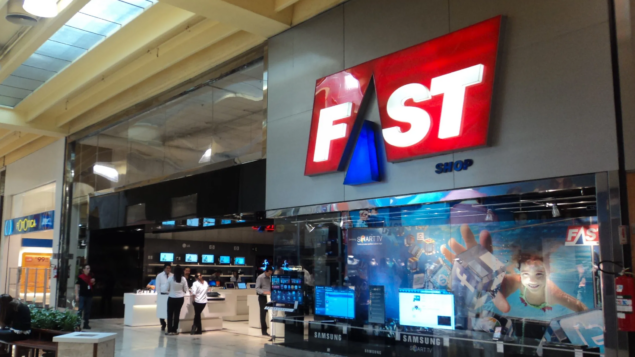
The Government of São Paulo has imposed a historic fine of over R$ 1 billion on the retail chain Fast Shop. This penalty is the largest ever recorded in the state based on the Anti-Corruption Law. The company is accused of participating in a scheme known as the "ICMS Mafia," which involved fraud in the payment of state taxes.
The decision was made by the State Comptroller General's Office following detailed investigations into the company's tax practices. The case is notable for the extremely high value of the fine, which serves as a warning to other large companies regarding the importance of transparency and strict compliance with tax laws in Brazil.
In the financial sector, GP Investimentos announced a radical shift in its business strategy. The company will stop operating as a traditional private equity fund manager, where it manages money from external investors, to become a permanent capital house.
With this change, GP will primarily invest its own resources into new projects and companies. In addition to the business model shift, the company also confirmed the replacement of its CEO (Chief Executive Officer), marking the beginning of a new phase focused on long-term investments and greater financial autonomy.
Another sector attracting interest from major investors is basic sanitation, but with a renewed focus: waste management. Although water supply and sewage treatment have received significant investment in recent years, the solid waste niche is still seen as a major growth opportunity.
Thanks to the new Legal Framework for Sanitation, Brazilian authorities and companies are racing against time to improve the country's infrastructure. Now, the landfill market is expanding, as proper waste treatment has become essential to meet the environmental and social goals established by the new legislation.
These news items highlight a scenario of significant transformations in the Brazilian economy. While the government increases oversight against tax fraud, the private sector seeks new investment models and explores infrastructure areas that were previously undervalued, such as recycling and waste management.
For experts, these movements indicate that Brazil is in a moment of adjustment and modernization. The severe application of laws and the search for new market niches could define the pace of economic development in the coming years, bringing more security for investors and benefits for society.