The Energy Transition in Europe: What Is Happening to Coal-Fired Power Plants in Bulgaria and Neighboring Countries?
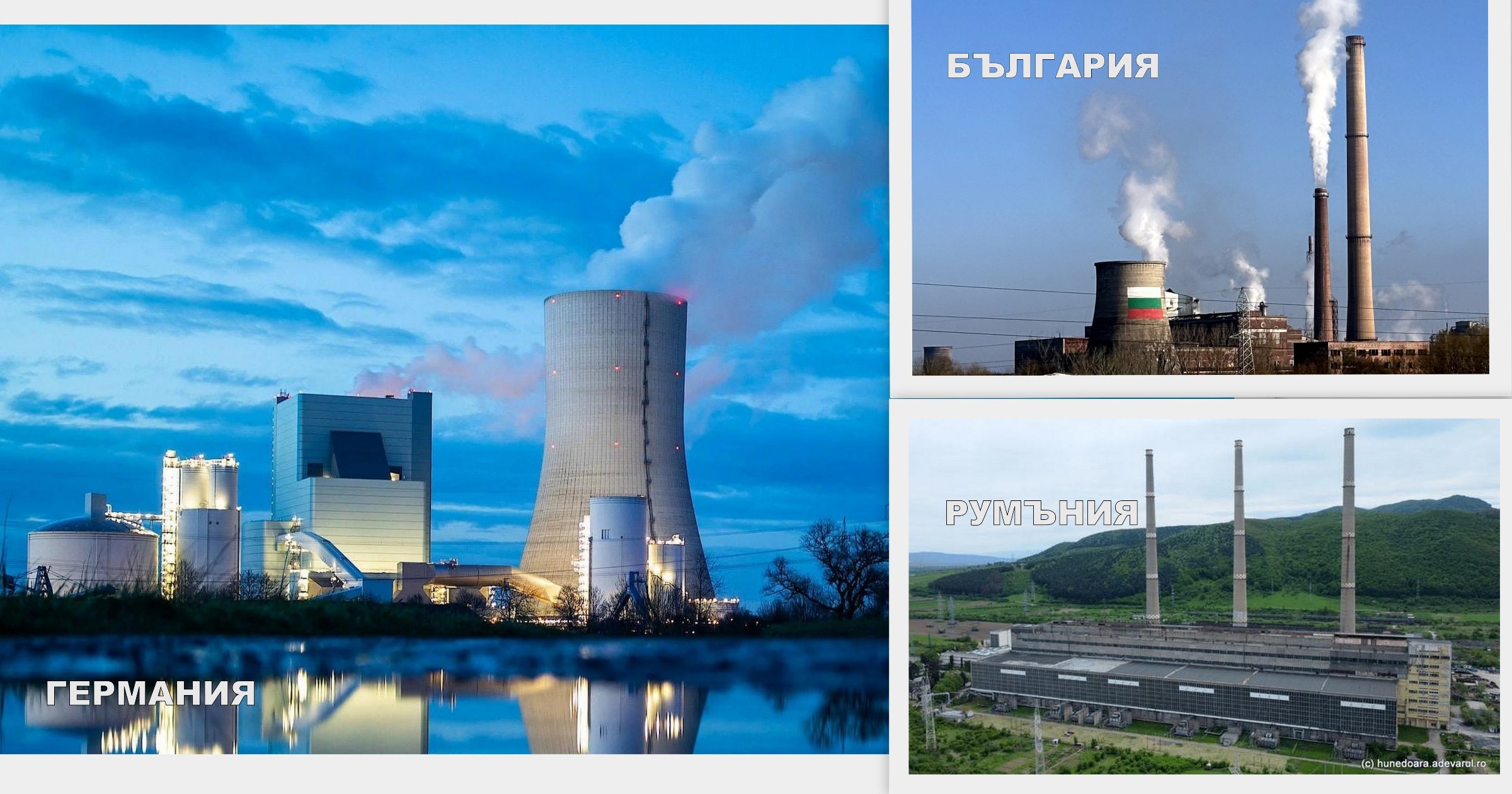
The energy sector in Europe is undergoing major changes aimed at reducing harmful emissions and transitioning to more environmentally friendly energy sources. While many European Union countries are actively closing their coal-fired power plants, the debate over the future of energy remains particularly relevant for Bulgaria.
Germany, which is the largest economy in Europe, is taking decisive steps in this direction. In 2024 alone, the country has closed 14 coal-fired power plants. German regulatory authorities plan for the number of decommissioned facilities to increase significantly by September 2026, demonstrating a clear commitment to decarbonization.
At the same time, our neighbors in Romania are also actively working on plans to replace coal with more modern and cleaner energy sources. These processes place Bulgaria in a complex situation, as our country is still engaged in intense disputes regarding the timeline for closing its old plants and ensuring its energy security.
The main challenge facing Bulgarian institutions is how to balance the European Union's environmental requirements with the need for cheap and reliable electricity for industry and households. The question of the future of coal regions remains one of the most important for our country's economic development in the coming years.
In conclusion, the European energy market is changing rapidly, and Bulgaria will have to make important decisions in the near future. The experience of Germany and Romania shows that the transition is inevitable, but its success depends on good preparation and investment in new technologies.