Ombudsman refers case to prosecutors after inspection of disability centre for children in Kyustendil
Published
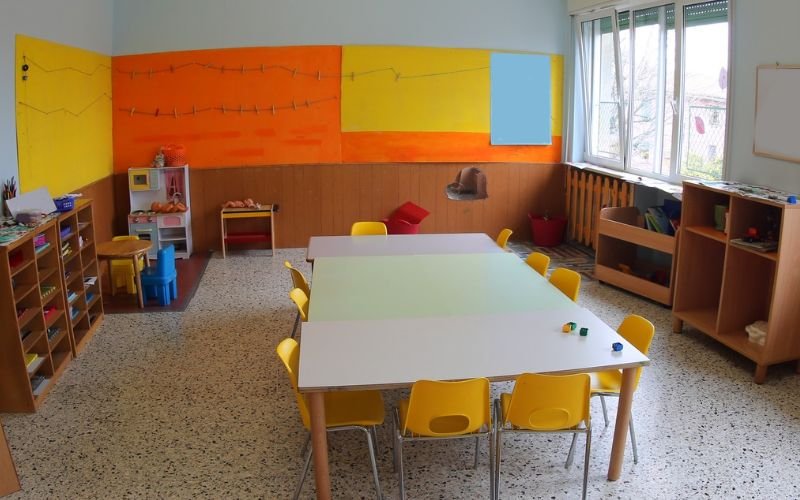
Bulgaria's ombudsman has sent a referral to the prosecutor's office after an inspection of a centre for children with disabilities in Kyustendil. The inspection was carried out by a team from the National Preventive Mechanism (NPM), which checks places where people may be deprived of their liberty or live under the care of institutions.
During the unannounced inspection, the team found that a psychologist at the centre had pulled a child's hair, kicked the child's body and dragged the child along the ground. The child has disabilities. According to the findings of the inspection, these actions are a serious violation of the child's rights and require an official legal investigation.
The NPM is part of the ombudsman's work and has the right to visit centres and institutions without prior warning. The aim of such inspections is to find out whether the people who live there are protected and treated with dignity. After the inspection, the team prepared a report, and the ombudsman decided to pass the case to the prosecutor's office.
So far, it is not clear what measures will be taken against the psychologist or whether changes will be made to how the centre works. The prosecutor's office will decide whether there are grounds for criminal proceedings. The news will be updated when new information becomes available.
Sources: БНТ Новини
More Bulgaria news
- New details about the next Motorola Razr: what processor and memory it will have
- Renovated building in Sopot leaks, municipality promises repairs
- Global Microsoft outage and a new technical problem in the USA
- BFU Continues Search for Talent with Bulgarian Roots in the USA
- Bulgaria will play in Brazil, at home and in the USA in the 2027 Nations League
- The yield on US 30-year bonds fell slightly
- US Authorises SpaceX to Launch Up to One Million Satellites for Space Data Centres
- New York court finds Chinese company Huawei guilty in major criminal case