Climate change could cost Bulgaria up to 3.5% of GDP by 2050
Published
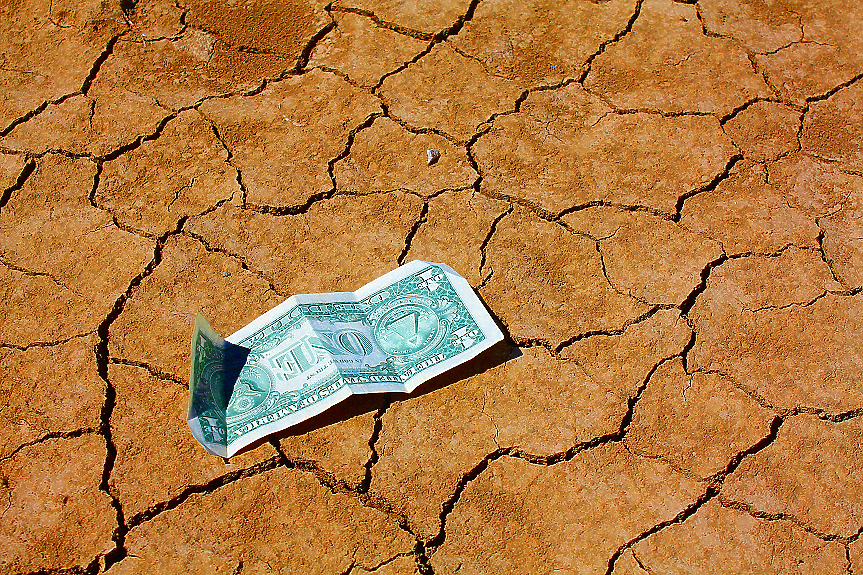
Economic losses for Bulgaria caused by climate change could be between 1% and 3.5% of gross domestic product by 2050. This is important information for everyone who lives and works in the country, because these losses will affect both the state and the people.
Climate change means hotter summers, less rainfall in some areas and more frequent natural disasters. These changes could affect agriculture, energy and tourism. For example, during a drought farmers may get a smaller harvest, and high temperatures can increase the costs of cooling buildings and production facilities.
Although these forecasts show a significant risk, they also highlight how important it is for the country to prepare. Adapting to the new conditions, for example by managing water resources better and modernising infrastructure, can reduce some of the losses. Experts believe that timely measures are cheaper than the consequences of doing nothing.
For now, these figures are forecasts and they may change depending on how the global climate develops and what decisions the state and businesses take. Readers can follow the news and current reports to see how the situation is changing.
Sources: Дарик Бизнес Ревю
More Bulgaria news
- Free preventive check-ups for men in Plovdiv and across the country
- Expert: Navy and NATO could react within minutes in case of an attack in the Black Sea
- Budget 2027 is a budget of fiscal responsibility, says Finance Minister Galab Donev
- Bulgaria among the top five in the EU for economic growth, according to the minister of economy
- Bulgaria celebrates 20 years of membership in the European Union
- Expectations of oversupply pushed oil prices down
- The state will look for people outside the labour market with mobile teams
- From 2027, intelligent systems will warn drivers about dangers on motorways