The Avro Arrow: Remembering Canada’s Most Famous Aviation Legend
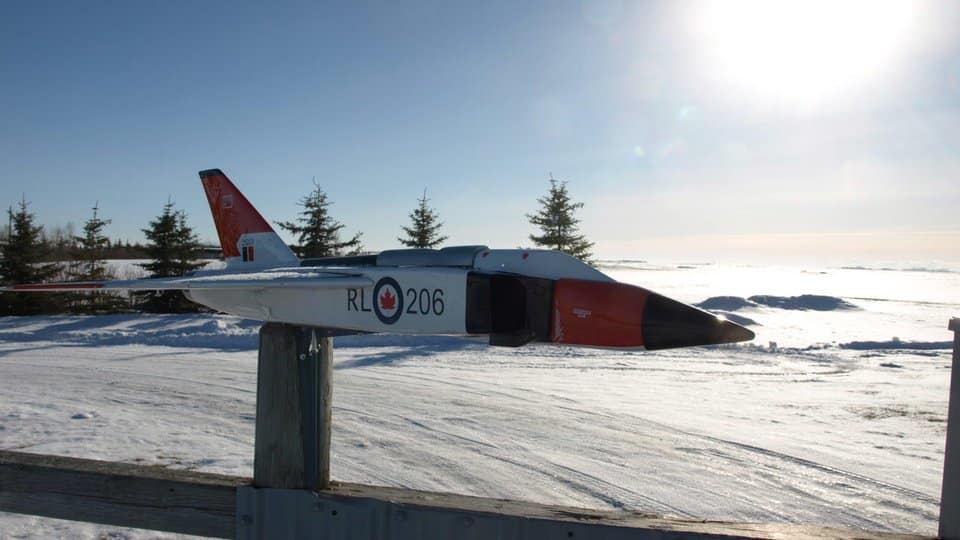
In the history of Canadian aviation, few projects are as famous or as controversial as the Avro CF-105 Arrow. Developed in the 1950s, this twin-engined, delta-winged interceptor was designed to be one of the most advanced fighter jets in the world. At its peak, it was capable of flying at twice the speed of sound, or Mach 2, at an altitude of 50,000 feet.
The aircraft was built by A.V. Roe Canada, a company based in Malton, Ontario. The Arrow was designed to protect North American airspace during the height of the Cold War. Its impressive speed and technology made it a symbol of Canadian engineering pride and innovation, proving that Canada could compete with the largest aerospace powers on the globe.
However, the project faced significant challenges, including rising costs and changing military strategies. In February 1959, the Canadian government made the sudden decision to cancel the entire program. This day, often referred to as 'Black Friday' by aviation enthusiasts, resulted in the immediate termination of thousands of workers and the destruction of the existing prototypes and blueprints.
Decades later, the story of the Avro Arrow remains a significant part of Canada’s national identity. While the aircraft never entered active service, it continues to spark debates about industrial policy and the future of technology in Canada. For many, the Arrow serves as a reminder of a time when Canada stood at the very forefront of global aerospace development.