New Study Highlights Barriers to Opioid Care for Indigenous Patients in Canada
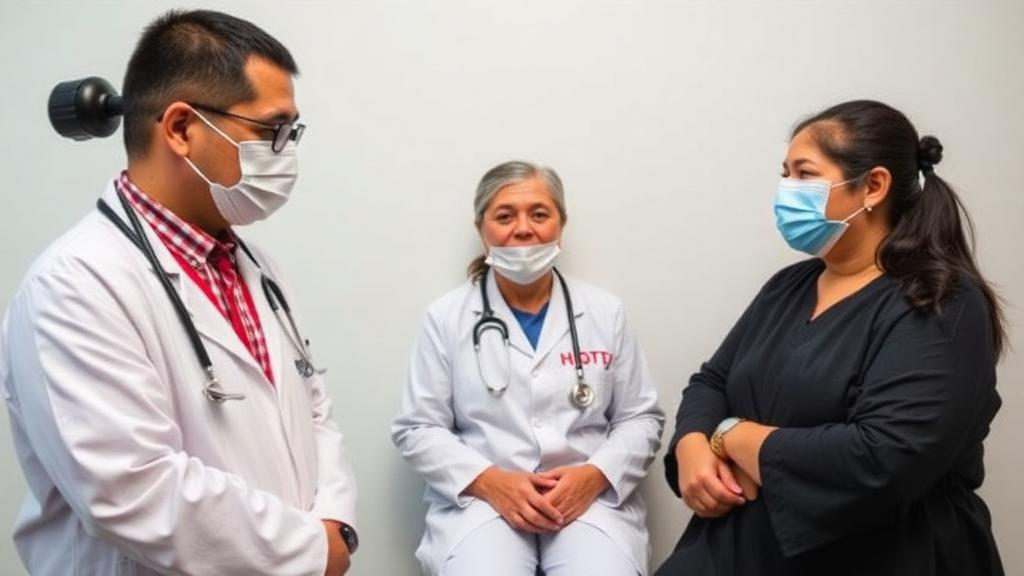
A recent study has shed light on the significant challenges Indigenous patients face when seeking treatment for opioid-related issues in Canada. Researchers interviewed 13 physicians to understand why current medical systems often fail to provide effective care for this specific community.
The study points to several systemic problems that prevent patients from receiving the support they need. Doctors identified that the healthcare system is often fragmented, meaning that patients struggle to move smoothly between different services, such as primary care, addiction clinics, and mental health support.
Furthermore, the research highlights that many medical professionals lack consistent, specialized training to handle the complex needs of Indigenous patients. This gap in education can lead to misunderstandings and a lack of trust between the patient and the healthcare provider, which is essential for successful recovery.
The report also emphasizes that historical and colonial structural forces continue to impact modern healthcare. These deep-rooted issues create an environment where Indigenous people may feel unwelcome or misunderstood within the medical system, further complicating their access to essential opioid treatments.
Experts hope that these findings will encourage Canadian health authorities to rethink how they deliver care. By addressing these systemic barriers and improving cultural training for doctors, the medical community aims to create a more equitable and effective healthcare system for all Canadians.